eBook Author

The Power of the Market Condition

Whole Market View: Stop Trading in a Closet!

Tired of your perfect stock setup getting crushed by the market equivalent of a global earthquake? You’re trading in a closet! The professional advantage is gained by looking at the Whole Market Condition—the big picture context.

If you focus only on your single stock chart, you’re trying to navigate a ship while only looking at its immediate deck. You’ll never see the massive iceberg (or the hurricane) coming! Smart trading is about aligning your micro-trade with the macro-flow.

The Power of the Financial Context

The Whole Market Condition is your ultimate risk manager and momentum multiplier. Ignoring it is financially suicidal!

  1. Macro-Shielding (Avoiding the Tsunami): Don’t buy a single house when the whole financial neighborhood is burning down! If the overall index (S&P 500, Nasdaq, DAX) is in a clear, sustained downtrend, your individual bullish trade is swimming against a crushing tsunami of selling pressure. Checking the macro-context is the cheapest insurance policy you can buy—it shields you from those devastating, big-picture driven losses.

  2. The Wind at Your Back (Momentum Multiplier): Conversely, when the whole sector, index, or currency pair is trending clearly in one direction, your individual trade gets a powerful, secondary boost of momentum. It’s like sailing with a hurricane at your back! Your improves dramatically because the path of least resistance has been paved by the big players. Why struggle against the flow when you can effortlessly ride it?

  3. Capital Allocation Genius: A quick, objective look at the market condition tells you exactly how aggressive or defensive you should be.

    • Strong Trend? Go hunting for trades and allocate more capital.

    • Choppy/Range-Bound? Sit cautiously on your hands, wait for clearer signals, or reduce position sizes.

      It’s your ultimate risk governor, ensuring you don’t overcommit when uncertainty reigns.

  4. Correlation Check: Knowing what the big benchmarks are doing helps you select the best trades. Is the S&P 500 rallying? You want to look for bullish breakouts in stocks leading that rally, not ones lagging behind.

Stop being a hermit! Look up, see the whole financial storm, and align your tiny trade with the mighty forces of the universe. That’s how the smart money trades with confidence and control!
💰Quotes:

  • “Price action is the only truth on the chart.”

  • “Everything you need to know is written in the candles.”

  • “Indicators lag, price action leads.”

  • “Trade what you see, not what you think.”

  • “Every candle tells a story. Learn to read it.”

💰Quotes:

  • “Support and resistance are the footprints of money.”

  • “A closed candle is a fact, an open candle is only a possibility.”

  • “The market doesn’t hide; it leaves clues in price action.”

  • “The best trades look obvious… after you’ve learned to see them.”

  • “Patterns are just human emotions drawn on a chart.”

Whole Market View: Stop Trading in a Closet!

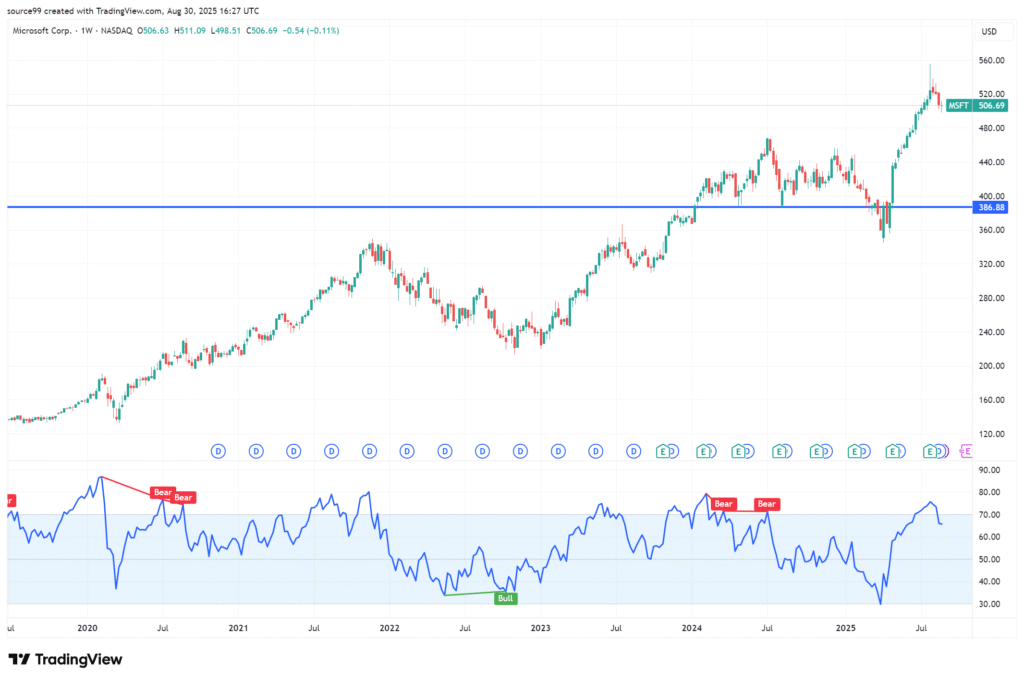
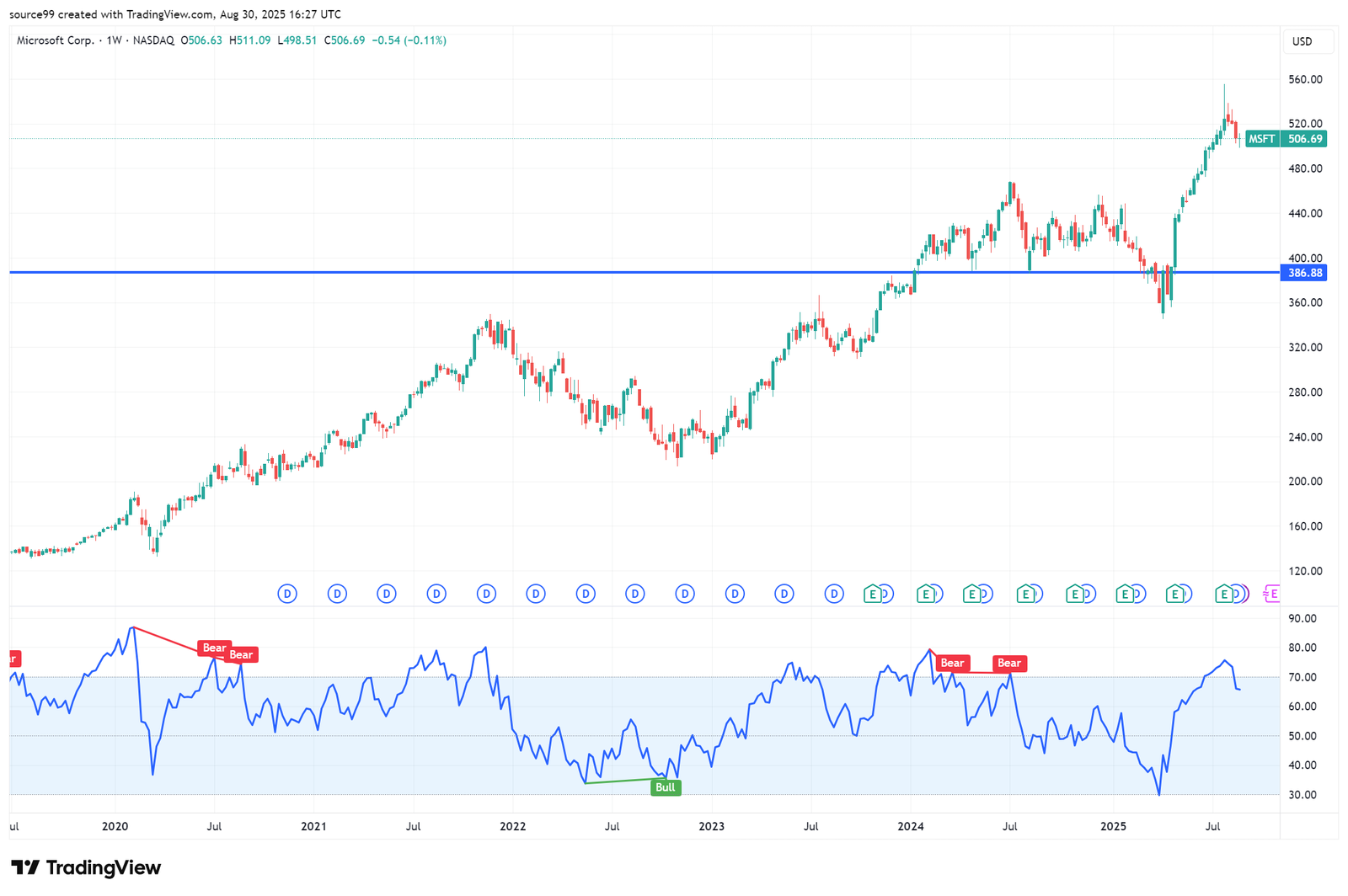
Tired of your meticulously planned stock setup getting spontaneously destroyed by a sudden “risk-off” panic you never saw coming? You, my friend, are trading in a closet! The single most critical, yet often ignored, professional advantage is gained by constantly looking at the Whole Market Condition—the macro-context that dictates everything.

Focusing only on your single chart is like trying to drive across a continent by staring only at your rearview mirror. You’ll miss the mountains, the deserts, and the financial hurricanes! Smart money aligns its micro-trade with the macro-flow.

The Power of the Financial Flow State

The Whole Market Condition is your ultimate compass. Ignoring it is financially equivalent to setting sail in a canoe during a typhoon.

  1. Macro-Shielding (The Tsunami Warning): Before you even think about buying that individual stock, check the big picture. Is the benchmark index (S&P 500, Nasdaq, FTSE) clearly in a severe decline? If the answer is yes, your brilliant bullish trade is likely to be crushed by the sheer selling pressure of a market-wide correction. A quick check of the macro-context is the cheapest insurance policy you can buy—it shields you from those devastating, big-picture driven losses.

  2. The Wind at Your Back (Momentum Multiplier): This is where the fun begins. When the entire sector, index, or currency trend is moving clearly in one direction, your individual trade gets a powerful, secondary boost of effortless momentum. It’s like jumping into a fast-moving river; you move quicker with minimal effort! This momentum improves your dramatically because the path of least resistance has been validated by every major market player. Why struggle against the tide when you can surf it?

  3. Capital Allocation Genius: The market condition is your primary risk regulator. It tells you how big your bets should be.

    • Strong, Clear Trend? Confidence is high. Go hunting for high-conviction setups and allocate a slightly larger portion of capital.

    • Choppy/Range-Bound? Uncertainty reigns. Sit patiently, dramatically reduce position sizes, or simply walk away.

      This discipline ensures you don’t overcommit capital when the market itself is confused.

  4. The Correlation Check: Professionals use the market view to guide their selection. If tech stocks are leading the rally, you focus on tech stocks, not defensive utilities. You are filtering for the strongest candidates backed by the largest market forces.

Stop being a trading hermit! Open your eyes to the financial universe and align your position with the mighty forces of institutional flow. That’s how the smart money trades with superior confidence, control, and conviction!
💰Quotes:

  • “Price action is the only truth on the chart.”

  • “Everything you need to know is written in the candles.”

  • “Indicators lag, price action leads.”

  • “Trade what you see, not what you think.”

  • “Every candle tells a story. Learn to read it.”

💰Quotes:

  • “Support and resistance are the footprints of money.”

  • “A closed candle is a fact, an open candle is only a possibility.”

  • “The market doesn’t hide; it leaves clues in price action.”

  • “The best trades look obvious… after you’ve learned to see them.”

  • “Patterns are just human emotions drawn on a chart.”

The Power of PriceAction

💰What in the Kraken’s Name is Price Action?

Imagine you’re on a bustling market street, and everyone’s shouting their prices for pineapples. You don’t need a fancy economist with a spreadsheet to tell you if pineapples are getting more popular or less. You just watch what people are doing: are they eagerly snatching them up at higher prices, or are the vendors struggling to give them away?

Price action is exactly that, but for stocks and other assets! It’s simply reading the story the market is telling you directly through the price itself. No need for complicated, lagging indicators that are always a step behind, like a tired parrot squawking old news. You’re looking at the raw, unfiltered moves on your chart – the ultimate truth of supply and demand, fear and greed.

💰Why is it the Golden Compass of Trading?

Forget trying to navigate with a half-broken sextant! Price action is your North Star, your most reliable guide:

  • It’s the OG (Original Gangster) Signal: Every indicator you see on a chart is derived from price. Price action is the price. It’s the source code, the main event, the real deal. When you’re looking at price action, you’re getting the news straight from the horse’s mouth, not through a dozen gossipy villagers.

  • No Lag, Just Action! Imagine trying to surf a wave by looking at where the last wave broke. You’d be wiped out! Many indicators are “lagging,” meaning they tell you what already happened. Price action is live, in the moment, allowing you to catch the wave as it forms. This means quicker decisions, tighter entries, and less time being swept away by unexpected currents.

  • Simpler Than a Coconut Cocktail: You don’t need a supercomputer or a massive collection of complex tools. A clean chart, your trusty eyeballs, and a basic understanding of candlestick patterns are often all you need. This simplicity reduces overwhelm and helps you make clear, decisive calls without second-guessing.

  • The Trend is Your Best Mate! Remember that wise old saying, “the trend is your friend”? Price action is the ultimate wingman for spotting that friend! It’s super easy to see if the market is clearly sailing upwards (making higher highs and higher lows), diving downwards (lower lows and lower highs), or just bobbing around in the doldrums. If the trend is clear, you know exactly which direction to point your ship. If it’s messy, price action tells you to stay ashore and enjoy a pineapple smoothie!

  • 💰How to Read the Market’s Secret Diary (The Candlesticks!)

  • Each little candle on your chart is like a tiny scroll, telling you a mini-story of what happened during that time period (a minute, an hour, a day).

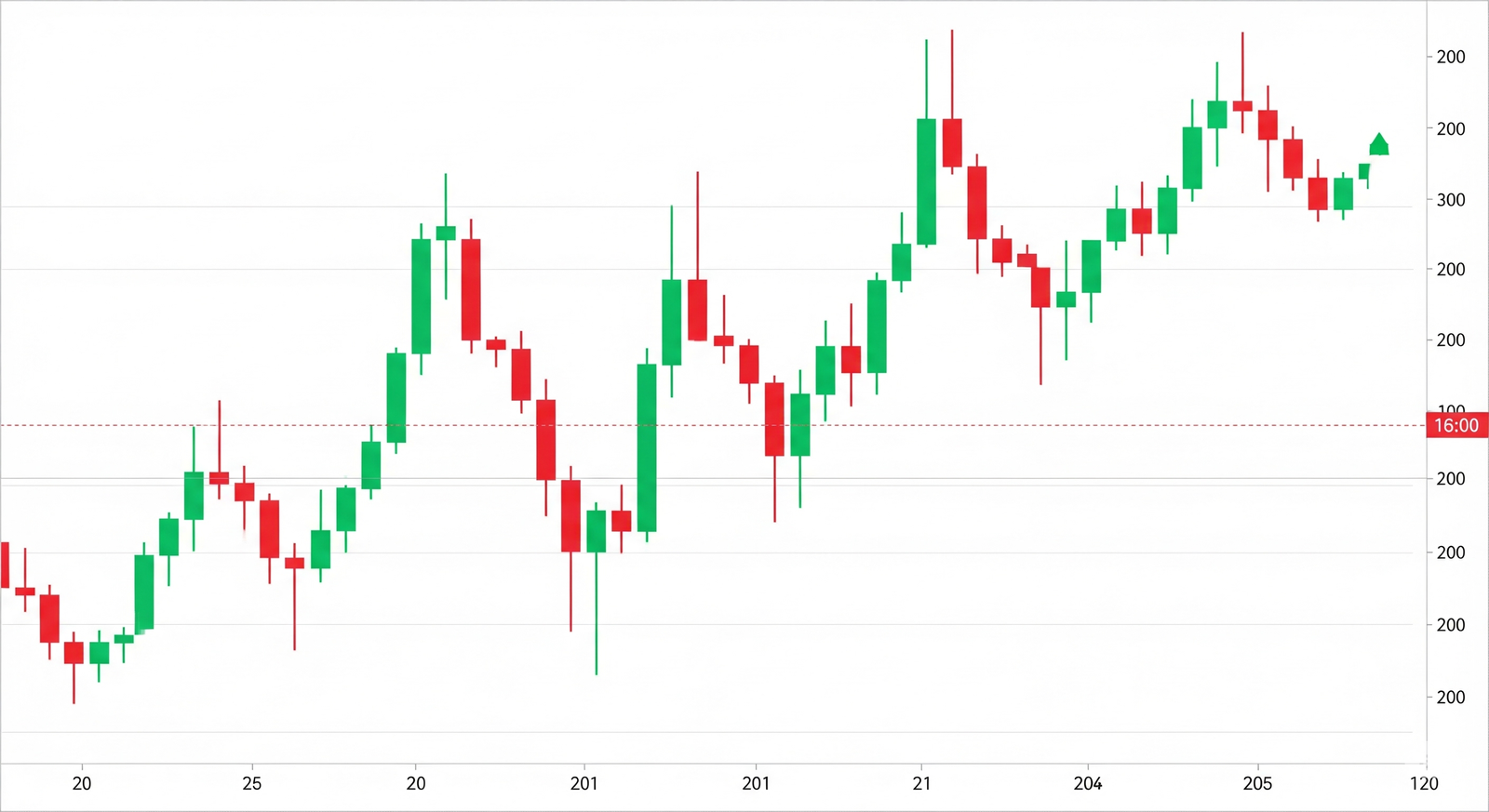
    • The Body: This is the fat part of the candle. A long green (or white) body means buyers were in control, pushing the price way up. A long red (or black) body means sellers dominated, sending the price tumbling. Think of it as a tug-of-war: who won that round?

    • The Wicks (or Shadows): These thin lines sticking out from the top and bottom are like antennae, showing you how far the price tried to go but got rejected. A long upper wick means buyers tried to push it high but sellers dragged it back down. A long lower wick means sellers tried to push it low but buyers bravely picked it up. These wicks often whisper secrets about exhaustion or reversals!

    By watching how these candles form patterns – like a “Hammer” hitting rock bottom and bouncing back up (a sign of buyers coming to the rescue!), or an “Engulfing” pattern where one big candle swallows the previous one (a dramatic shift in power!) – you start to predict where the currents might take you next.

    So, next time you’re charting your course, clear your deck, breathe in that salty air, and let the price action speak to you. It’s the most direct, most powerful, and frankly, the most fun way to understand what’s truly happening in the market and chart your way to potential success!


💰Quotes:

  • “Price action is the only truth on the chart.”

  • “Everything you need to know is written in the candles.”

  • “Indicators lag, price action leads.”

  • “Trade what you see, not what you think.”

  • “Every candle tells a story. Learn to read it.”

💰Quotes:

  • “Support and resistance are the footprints of money.”

  • “A closed candle is a fact, an open candle is only a possibility.”

  • “The market doesn’t hide; it leaves clues in price action.”

  • “The best trades look obvious… after you’ve learned to see them.”

  • “Patterns are just human emotions drawn on a chart.”

💰Quotes:

  • “Price action: the art of staring at candles until they confess.”

  • “Indicators are like rumors; price action is the witness.”

  • “Trading without price action is like driving blindfolded.”

  • “Sometimes the best trade is to just let the candle close.”

  • “If you can’t find the trend, step back and squint—price action is waving at you.”

💰Quotes:

  • “Enter the trade — then sit on your hands like a monk!”

  • “We don’t click and panic. We click and chill.”

  • “Traders who wait, get paid. Traders who fidget… donate!”

  • “We enter the trade, then do absolutely nothing like pros.”

  • “Let the market work. You’re not its boss.”

💰Quotes:

  • “Enter the trade — then sit on your hands like a monk!”

  • “We don’t click and panic. We click and chill.”

  • “Traders who wait, get paid. Traders who fidget… donate!”

  • “We enter the trade, then do absolutely nothing like pros.”

  • “Let the market work. You’re not its boss.”

💰Quotes:

  • “Enter the trade — then sit on your hands like a monk!”

  • “We don’t click and panic. We click and chill.”

  • “Traders who wait, get paid. Traders who fidget… donate!”

  • “We enter the trade, then do absolutely nothing like pros.”

  • “Let the market work. You’re not its boss.”

Add Your Heading Text Here

The Power of PriceAction

What is Price Action?!

  • Price action is a trading methodology that analyzes the movement of an asset’s price over time to make trading decisions. It is the foundation of technical analysis and operates on the principle that all relevant market information—including economic news, investor sentiment, and fundamental data—is already reflected in the asset’s price.

     Instead of relying on lagging technical indicators, traders who use price action focus on a “naked” or clean chart. By observing historical price data, they identify patterns, trends, and key levels to predict future price direction.
     
     The core concepts of price action analysis include:

    Support and Resistance

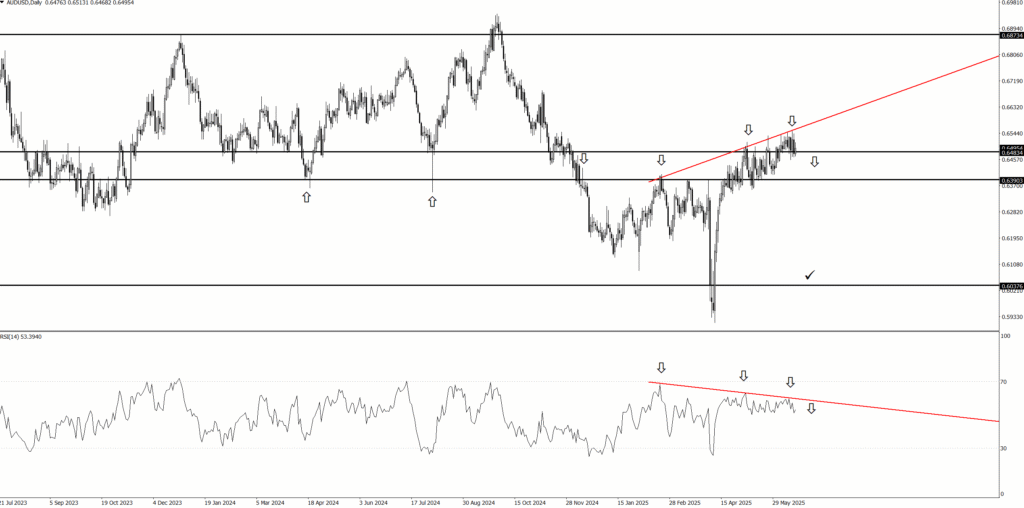
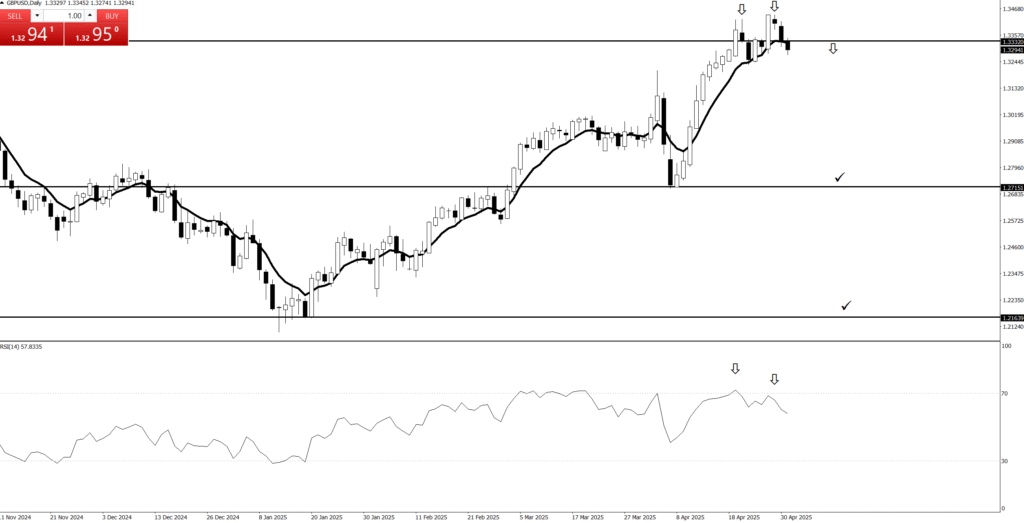
    These are price levels where an asset’s price has historically paused or reversed direction. A support level is a price floor where buying pressure is strong enough to prevent the price from falling further. A resistance level is a price ceiling where selling pressure is sufficient to stop the price from rising higher. 


    Candlestick Patterns

    Candlestick charts are a primary tool for price action traders. Each candlestick represents a specific period and shows the open, high, low, and closing prices. The shape and color of the candlesticks form patterns (e.g., Doji, Hammer, Engulfing) that provide insights into market sentiment and can signal potential reversals or continuations.


    Trend Analysis

    Price action traders identify the market’s trend by observing the sequence of highs and lows. An uptrend is characterized by a series of higher highs and higher lows, while a downtrend is marked by lower highs and lower lows. A break in this sequence can indicate a potential trend reversal.


💰Quotes:

  • “Price action is the only truth on the chart.”

  • “Everything you need to know is written in the candles.”

  • “Indicators lag, price action leads.”

  • “Trade what you see, not what you think.”

  • “Every candle tells a story. Learn to read it.”

💰Quotes:

  • “Support and resistance are the footprints of money.”

  • “A closed candle is a fact, an open candle is only a possibility.”

  • “The market doesn’t hide; it leaves clues in price action.”

  • “The best trades look obvious… after you’ve learned to see them.”

  • “Patterns are just human emotions drawn on a chart.”

The Power of PriceAction

What is Price Action?!

  • Price action is a trading methodology that analyzes the movement of an asset’s price over time to make trading decisions. It is the foundation of technical analysis and operates on the principle that all relevant market information—including economic news, investor sentiment, and fundamental data—is already reflected in the asset’s price.

     Instead of relying on lagging technical indicators, traders who use price action focus on a “naked” or clean chart. By observing historical price data, they identify patterns, trends, and key levels to predict future price direction.
     
     The core concepts of price action analysis include:

    Support and Resistance

    These are price levels where an asset’s price has historically paused or reversed direction. A support level is a price floor where buying pressure is strong enough to prevent the price from falling further. A resistance level is a price ceiling where selling pressure is sufficient to stop the price from rising higher. 


    Candlestick Patterns

    Candlestick charts are a primary tool for price action traders. Each candlestick represents a specific period and shows the open, high, low, and closing prices. The shape and color of the candlesticks form patterns (e.g., Doji, Hammer, Engulfing) that provide insights into market sentiment and can signal potential reversals or continuations.


    Trend Analysis

    Price action traders identify the market’s trend by observing the sequence of highs and lows. An uptrend is characterized by a series of higher highs and higher lows, while a downtrend is marked by lower highs and lower lows. A break in this sequence can indicate a potential trend reversal.


The Power of StopLoss

What is Price Action?!

  • Price action is a trading methodology that analyzes the movement of an asset’s price over time to make trading decisions. It is the foundation of technical analysis and operates on the principle that all relevant market information—including economic news, investor sentiment, and fundamental data—is already reflected in the asset’s price.

     Instead of relying on lagging technical indicators, traders who use price action focus on a “naked” or clean chart. By observing historical price data, they identify patterns, trends, and key levels to predict future price direction.
     
     The core concepts of price action analysis include:

    Support and Resistance

    These are price levels where an asset’s price has historically paused or reversed direction. A support level is a price floor where buying pressure is strong enough to prevent the price from falling further. A resistance level is a price ceiling where selling pressure is sufficient to stop the price from rising higher. 


    Candlestick Patterns

    Candlestick charts are a primary tool for price action traders. Each candlestick represents a specific period and shows the open, high, low, and closing prices. The shape and color of the candlesticks form patterns (e.g., Doji, Hammer, Engulfing) that provide insights into market sentiment and can signal potential reversals or continuations.


    Trend Analysis

    Price action traders identify the market’s trend by observing the sequence of highs and lows. An uptrend is characterized by a series of higher highs and higher lows, while a downtrend is marked by lower highs and lower lows. A break in this sequence can indicate a potential trend reversal.


💰Quotes:

  • “Price action is the only truth on the chart.”

  • “Everything you need to know is written in the candles.”

  • “Indicators lag, price action leads.”

  • “Trade what you see, not what you think.”

  • “Every candle tells a story. Learn to read it.”

💰Quotes:

  • “Support and resistance are the footprints of money.”

  • “A closed candle is a fact, an open candle is only a possibility.”

  • “The market doesn’t hide; it leaves clues in price action.”

  • “The best trades look obvious… after you’ve learned to see them.”

  • “Patterns are just human emotions drawn on a chart.”

19. The Overall Market Condition

Alright, brave chart-gazer, buckle up! Reading the overall market condition on a chart is like trying to figure out if your teenager is having a good day – there are signs, but you’re never entirely sure until it’s over, and sometimes the mood swings are just… impressive.

Here’s your humorous guide to deciphering the market’s vibe:

  1. Check the “Popular Kids” (Major Market Indices):

    • Forget your individual stocks for a sec. First, glance at the S&P 500 (the prom king), the Dow (the grumpy grandpa), and the Nasdaq (the tech nerd who just invented a new dance move). Are they all skipping happily uphill (bull market party!), doing the limbo under a bar (bear market limbo!), or just awkwardly shuffling sideways in a tight circle (sideways consolidation – pure indecision)?

    • Funny Take: If all the popular kids are running in the same direction, you can probably figure out which way the crowd’s going. If they’re all tripping over each other, grab some popcorn!

  2. Size Up the “Party Crowd” (Volume):

    • Volume is like the noise level at the party. If prices are soaring and the volume is deafening (lots of trading), it means everyone’s really excited and committed to this move.

    • Funny Take: But if prices are climbing on barely a whisper of volume? That’s like a party where only three people showed up – not very convincing, is it? Conversely, if prices are tanking and the volume is screaming, it means everyone’s stampeding for the exit. Pure panic, or perhaps just a bad DJ.

  3. Meet the “Bouncer” & the “Comfy Couch” (Support & Resistance):

    • These are the invisible lines where the market apparently says, “Thus far, and no further!” Resistance is the bouncer: prices try to get above it, but usually get told, “Nah, not today, chief.” Support is the comfy couch: prices fall to it, and suddenly everyone wants to sit down and relax, stopping the fall.

    • Funny Take: If prices smash through the bouncer (resistance break!) with high volume, it’s like someone just kicked open the VIP section – the party is really getting started! If they fall through the comfy couch, well, someone just broke the furniture, and things are getting serious (or seriously bad).

  4. Decipher the “Drama Queens” (Candlestick Patterns):

    • Every single candlestick is telling you a micro-story about a fight between buyers and sellers. Big green candles mean the buyers wore their superhero capes. Big red candles mean the sellers were having a particularly grumpy day.

    • Funny Take: Look for dramatic patterns! A “Hammer” candle is like the market trying to nail down a bottom. A “Shooting Star” looks pretty but often means the party’s about to end. And an “Engulfing” candle? That’s when one side completely swallows the other – like your crazy aunt devouring the entire plate of appetizers.

  5. Consult the “Fortune Tellers” (Broad Market Indicators):

    • Moving Averages (MAs): These are like the market’s memory. If prices are consistently above the 200-day MA, the market has a good long-term memory of going up. Below it? It remembers better days.

    • RSI (Relative Strength Index): This little oscillating line tells you if the market has run too far too fast (overbought, “out of breath”) or fallen too much (oversold, “needs a hug”).

    • VIX (The “Fear Index”): This one’s easy: if the VIX is spiking, everyone’s panicking like they just saw a spider. If it’s low, everyone’s blissfully unaware, probably singing karaoke off-key.

By putting all these clues together, you’re not just looking at a chart; you’re essentially reading the market’s very dramatic, sometimes hilarious, and occasionally terrifying diary. Good luck, and may your charts always tell you a funny story!

 
profile picture
 

💰Quotes:

  • “Enter the trade — then sit on your hands like a monk!”

  • “We don’t click and panic. We click and chill.”

  • “Traders who wait, get paid. Traders who fidget… donate!”

  • “We enter the trade, then do absolutely nothing like pros.”

  • “Let the market work. You’re not its boss.”

💰Normal Tone Slogans:

  • “Enter with a plan, then let the trade play out.”

  • “The work is in the setup — the result comes with patience.”

  • “We don’t babysit trades. We trust our edge.”

  • “Entry is action. Waiting is discipline.”

  • “After entry, emotion has no place — only patience.”