



9. The Power Of False Breaks
False break trading is a strategy that involves capitalizing on price movements that initially appear to break important support or resistance levels but then reverse, leading to a “false break.” Traders using this strategy aim to profit from the market’s initial incorrect interpretation of the breakout. Here are the basic steps involved in false break trading: False break trading can be applied to various financial instruments and timeframes. It requires a good understanding of technical analysis, market psychology, and the ability to act quickly when recognizing a false breakout. It’s important to note that trading always involves risks, and no strategy guarantees success. Traders should thoroughly test and adapt any strategy to their risk tolerance, market conditions, and trading style. Additionally, combining false break trading with other technical or fundamental analysis tools can enhance its effectiveness.
9. The Power Of False Breaks Read More »

10. The Power of Pullbacks/Retrace
Pullback trading, also known as retracement trading, is a strategy that involves taking advantage of temporary reversals within a larger trend. When a financial instrument is in an established uptrend or downtrend, it tends to experience temporary “pullbacks” or corrections against the main trend before resuming its direction. Here are the key principles of pullback trading: Pullback trading is based on the idea that price tends to revert to the dominant trend after a temporary retracement. It requires a comprehensive analysis of price patterns, support and resistance levels, and other technical indicators to identify favorable pullback opportunities. Traders should also consider the overall market conditions, risk appetite, and suitable timeframes for their trading strategy.
10. The Power of Pullbacks/Retrace Read More »
11. The Power of Wicks
Some common strategies and techniques used in wick trading include:
11. The Power of Wicks Read More »


12. The Power of EMA
EMA stands for Exponential Moving Average, which is a commonly used technical indicator in trading. It is a type of moving average that gives more weight to recent price data, making it more responsive to recent market conditions compared to Simple Moving Average (SMA). EMA is calculated by giving a higher weighting to the most recent price data points and gradually reducing the weight as you move back in time. This weighting gives more significance to recent price movements, allowing traders to focus on current market trends. EMA trading involves using the EMA indicator to generate trading signals and make trading decisions. Here are a few ways EMA can be used in trading: It’s important to note that EMAs, like any technical indicator, are not infallible and can produce false signals. Therefore, it is recommended to use EMA in combination with other technical analysis tools and indicators for confirmation and to consider overall market conditions before making trading decisions. Overall, EMA trading involves using Exponential Moving Average as a tool to identify trends, support/resistance levels, and generate trading signals. Traders incorporate EMA into their trading strategies to navigate the market and
12. The Power of EMA Read More »

14. The Power of the OBVIOUS
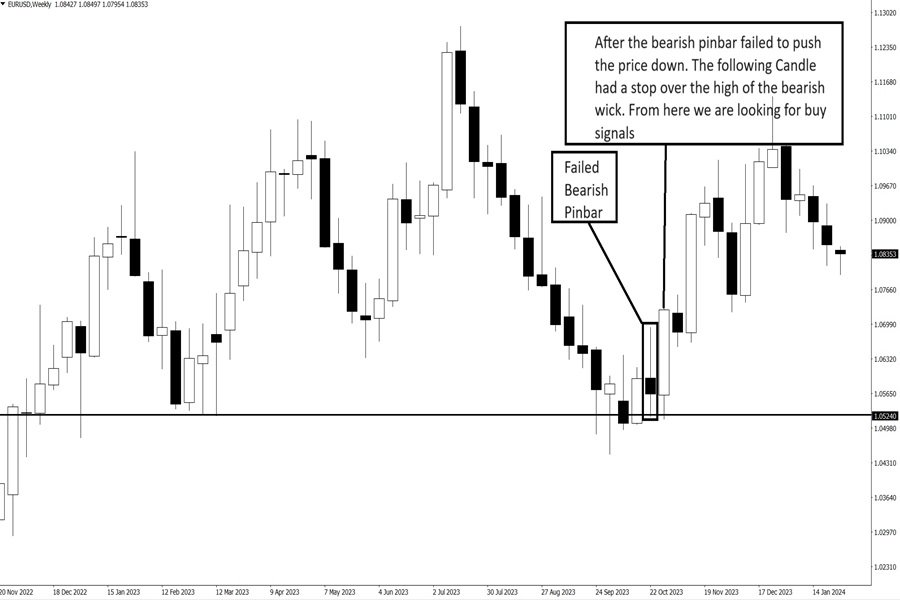
“Waiting for something obvious” in trading often refers to a trading strategy where traders seek clear and straightforward signals or setups before taking action. This approach typically involves waiting for strong and easily identifiable market conditions or patterns before entering a trade. Traders who adopt this strategy often prefer a more conservative and patient approach to avoid making impulsive or premature decisions. Here are some aspects of the “waiting for something obvious” trading strategy: It’s important to note that while waiting for obvious setups can be a prudent approach, no trading strategy guarantees success. Markets can be unpredictable, and even the most obvious setups can sometimes result in losses. Traders should continuously evaluate and refine their strategies, adapt to changing market conditions, and stay informed about relevant factors that may impact their trades. As with any trading strategy, it’s recommended to thoroughly backtest, practice in a demo environment, and carefully manage risk when applying the “waiting for something obvious” approach.
14. The Power of the OBVIOUS Read More »

15. The Power of Key-Levels
Key levels, also known as support and resistance levels, are critical price zones on a chart where significant buying or selling activity has occurred in the past. These levels are essential for traders as they can act as potential reversal or continuation points. Here’s a guide on key levels trading: Trading based on key levels involves waiting for price action to interact with these levels and then making decisions based on the observed behavior. Whether using key levels for breakout strategies, trend following, or reversal patterns, understanding and effectively incorporating these levels into your analysis is crucial for successful trading.
15. The Power of Key-Levels Read More »