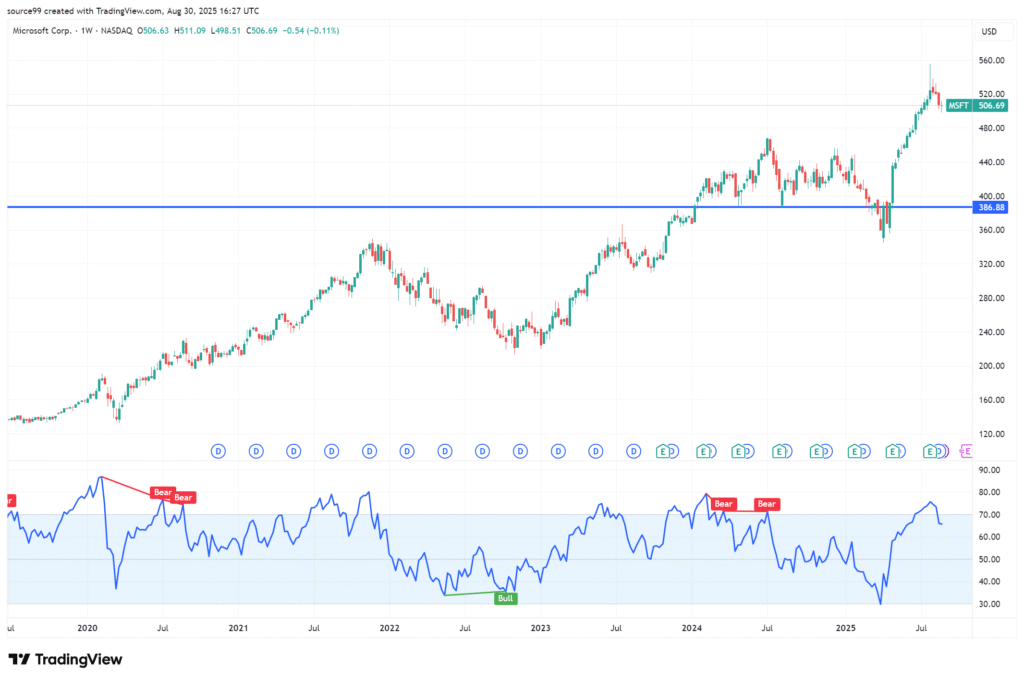
The Hikkake Entry
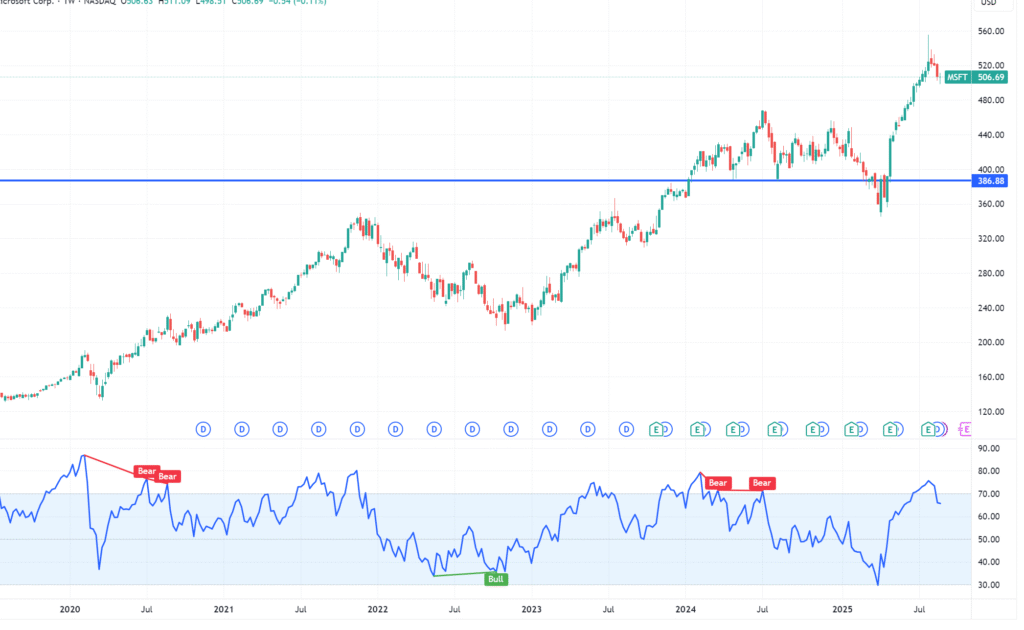
The FalseBreak Entry
We trade the Hikkake pattern because, frankly, profiting from the market’s confusion is a highly lucrative business model.
The Hikkake is essentially a trap for the impatient. It works by luring in traders who suffer from “Fear of Missing Out” (FOMO). They see a breakout, jump in without a seatbelt, and then panic when the market yells “Psych!” and reverses.
We trade it because those panicked traders provide our liquidity. When they get stopped out, their exit orders fuel our entry, propelling the price in our favor. It’s a strategy that offers asymmetric risk: the stop-loss is tight (low risk), but the potential payoff is huge because you’re riding a wave of trapped emotions.
In short, we trade the Hikkake to be the disciplined adults in a room full of sugar-rushed toddlers. It’s ruthless, efficient, and mathematically beautiful.
We trade the Hikkake pattern because, frankly, profiting from the market’s confusion is a highly lucrative business model.
The Hikkake is essentially a trap for the impatient. It works by luring in traders who suffer from “Fear of Missing Out” (FOMO). They see a breakout, jump in without a seatbelt, and then panic when the market yells “Psych!” and reverses.
We trade it because those panicked traders provide our liquidity. When they get stopped out, their exit orders fuel our entry, propelling the price in our favor. It’s a strategy that offers asymmetric risk: the stop-loss is tight (low risk), but the potential payoff is huge because you’re riding a wave of trapped emotions.
In short, we trade the Hikkake to be the disciplined adults in a room full of sugar-rushed toddlers. It’s ruthless, efficient, and mathematically beautiful.
We trade the Hikkake pattern because, frankly, profiting from the market’s confusion is a highly lucrative business model.
The Hikkake is essentially a trap for the impatient. It works by luring in traders who suffer from “Fear of Missing Out” (FOMO). They see a breakout, jump in without a seatbelt, and then panic when the market yells “Psych!” and reverses.
We trade it because those panicked traders provide our liquidity. When they get stopped out, their exit orders fuel our entry, propelling the price in our favor. It’s a strategy that offers asymmetric risk: the stop-loss is tight (low risk), but the potential payoff is huge because you’re riding a wave of trapped emotions.
In short, we trade the Hikkake to be the disciplined adults in a room full of sugar-rushed toddlers. It’s ruthless, efficient, and mathematically beautiful.
WHY WE TRADE THE HIKKAKE
We trade the Hikkake pattern because, frankly, profiting from the market’s confusion is a highly lucrative business model.
The Hikkake is essentially a trap for the impatient. It works by luring in traders who suffer from “Fear of Missing Out” (FOMO). They see a breakout, jump in without a seatbelt, and then panic when the market yells “Psych!” and reverses.
We trade it because those panicked traders provide our liquidity. When they get stopped out, their exit orders fuel our entry, propelling the price in our favor. It’s a strategy that offers asymmetric risk: the stop-loss is tight (low risk), but the potential payoff is huge because you’re riding a wave of trapped emotions.
“The Power of Hikkake”
Quotes:
“Let Price Tell the Story.”
“Price Never Lies – Everything Else Might.”
“Trade What You See, Not What You Think.”
“Candles Speak Louder Than Indicators.”
- “The Truth is in the Candles.”

The Psychology behind the Hikkake!
No matter which method you choose, the most crucial aspect of taking profit is to define your take-profit point before you enter the trade. This prevents emotional decisions and ensures you’re trading with discipline. It’s part of your “best setup” plan!
“The Psychology behind the Hikkake”
In the dynamic world of financial trading, key levels are the unsung heroes of technical analysis. Think of them as crucial lines in the sand on a price chart – specific price points where an asset’s value has historically shown significant reaction. Whether acting as support (a floor preventing further falls) or resistance (a ceiling preventing further rises), these levels are where supply and demand typically battle it out. Understanding them is fundamental, as they offer traders powerful insights into potential price reversals, continuations, and strategic points for entering or exiting trades.
1. “Hikkake at Support”
In the dynamic world of financial trading, key levels are the unsung heroes of technical analysis. Think of them as crucial lines in the
The PinBar
Hikkake Entry at Support
Lorem ipsum dolor sit amet, consectetur adipiscing elit. Ut elit tellus, luctus nec ullamcorper mattis, pulvinar dapibus leo.
The PinBar
Hikkake Entry at Resitance
Lorem ipsum dolor sit amet, consectetur adipiscing elit. Ut elit tellus, luctus nec ullamcorper mattis, pulvinar dapibus leo.
The PinBar
Hikkake Entry in a Trend
Lorem ipsum dolor sit amet, consectetur adipiscing elit. Ut elit tellus, luctus nec ullamcorper mattis, pulvinar dapibus leo.
The PinBar
Hikkake Entry at KeyLevel
Lorem ipsum dolor sit amet, consectetur adipiscing elit. Ut elit tellus, luctus nec ullamcorper mattis, pulvinar dapibus leo.
The Hikkake pattern is essentially the market’s favorite way of shouting, “Psych!” Think of it as the financial equivalent of a basketball pump fake that sends the defense flying into the popcorn stands while the pros drive to the hoop.
It starts with a harmless-looking inside bar, lulling the crowd into boredom. Then comes the false breakout—the bait—luring in eager traders who think they’ve caught the big move.1 But just as they start browsing Zillow for mansions, the price snaps back aggressively in the opposite direction.
Its power lies in its ruthless efficiency. It doesn’t just predict a move; it fuels itself on the liquidity of trapped traders.2 When those premature participants get stopped out, their panic creates the rocket fuel for the real trend. It’s a strategy that relies entirely on the fact that the market loves to punish the impatient before rewarding the disciplined.
Hikkake at Keylevel
Hikkake in Trending Markets
The PinBar
Add Your Heading Text Here
Lorem ipsum dolor sit amet, consectetur adipiscing elit. Ut elit tellus, luctus nec ullamcorper mattis, pulvinar dapibus leo.
The PinBar
Add Your Heading Text Here
Lorem ipsum dolor sit amet, consectetur adipiscing elit. Ut elit tellus, luctus nec ullamcorper mattis, pulvinar dapibus leo.
1. “Advantages of this Trading Edge?”
In the dynamic world of financial trading, key levels are the unsung heroes of technical analysis. Think of them as crucial lines in the sand on a price chart – specific price points where an asset’s value has historically shown significant reaction. Whether acting as support (a floor preventing further falls) or resistance (a ceiling preventing further rises), these levels are where supply and demand typically battle it out. Understanding them is fundamental, as they offer traders powerful insights into potential price reversals, continuations, and strategic points for entering or exiting trades.
1. “Price Action: From Chaos To Clarity”
In the dynamic world of financial trading, key levels are the unsung heroes of technical analysis. Think of them as crucial lines in the sand on a price chart – specific price points where an asset’s value has historically shown significant reaction. Whether acting as support (a floor preventing further falls) or resistance (a ceiling preventing further rises), these levels are where supply and demand typically battle it out. Understanding them is fundamental, as they offer traders powerful insights into potential price reversals, continuations, and strategic points for entering or exiting trades.
1. “Price Action: From Chaos To Clarity”
In the dynamic world of financial trading, key levels are the unsung heroes of technical analysis. Think of them as crucial lines in the sand on a price chart – specific price points where an asset’s value has historically shown significant reaction. Whether acting as support (a floor preventing further falls) or resistance (a ceiling preventing further rises), these levels are where supply and demand typically battle it out. Understanding them is fundamental, as they offer traders powerful insights into potential price reversals, continuations, and strategic points for entering or exiting trades.
2. “What are Candlesticks”
In the dynamic world of financial trading, key levels are the unsung heroes of technical analysis. Think of them as crucial lines in the sand on a price chart – specific price points where an asset’s value has historically shown significant reaction. Whether acting as support (a floor preventing further falls) or resistance (a ceiling preventing further rises), these levels are where supply and demand typically battle it out. Understanding them is fundamental, as they offer traders powerful insights into potential price reversals, continuations, and strategic points for entering or exiting trades.
3. “Price Action Candlestick Charts”
In the dynamic world of financial trading, key levels are the unsung heroes of technical analysis. Think of them as crucial lines in the sand on a price chart – specific price points where an asset’s value has historically shown significant reaction. Whether acting as support (a floor preventing further falls) or resistance (a ceiling preventing further rises), these levels are where supply and demand typically battle it out. Understanding them is fundamental, as they offer traders powerful insights into potential price reversals, continuations, and strategic points for entering or exiting trades.
4. “What is Candlestick Patterns?”
In the dynamic world of financial trading, key levels are the unsung heroes of technical analysis. Think of them as crucial lines in the sand on a price chart – specific price points where an asset’s value has historically shown significant reaction. Whether acting as support (a floor preventing further falls) or resistance (a ceiling preventing further rises), these levels are where supply and demand typically battle it out. Understanding them is fundamental, as they offer traders powerful insights into potential price reversals, continuations, and strategic points for entering or exiting trades.
5. “The Story of the chart”
In the dynamic world of financial trading, key levels are the unsung heroes of technical analysis. Think of them as crucial lines in the sand on a price chart – specific price points where an asset’s value has historically shown significant reaction. Whether acting as support (a floor preventing further falls) or resistance (a ceiling preventing further rises), these levels are where supply and demand typically battle it out. Understanding them is fundamental, as they offer traders powerful insights into potential price reversals, continuations, and strategic points for entering or exiting trades.
6. “Price Action Videos”
In the dynamic world of financial trading, key levels are the unsung heroes of technical analysis. Think of them as crucial lines in the sand on a price chart – specific price points where an asset’s value has historically shown significant reaction. Whether acting as support (a floor preventing further falls) or resistance (a ceiling preventing further rises), these levels are where supply and demand typically battle it out. Understanding them is fundamental, as they offer traders powerful insights into potential price reversals, continuations, and strategic points for entering or exiting trades.
The FalseBreak Entry
WHY WE TRADE THE HIKKAKE
We trade the Hikkake pattern because, frankly, profiting from the market’s confusion is a highly lucrative business model.
The Hikkake is essentially a trap for the impatient. It works by luring in traders who suffer from “Fear of Missing Out” (FOMO). They see a breakout, jump in without a seatbelt, and then panic when the market yells “Psych!” and reverses.
We trade it because those panicked traders provide our liquidity. When they get stopped out, their exit orders fuel our entry, propelling the price in our favor. It’s a strategy that offers asymmetric risk: the stop-loss is tight (low risk), but the potential payoff is huge because you’re riding a wave of trapped emotions.
Pinbar /FB
Buy
Sell
KeyLevel
The Inside Bar’s Deception
Dr. Sterling, Head of Quantum Algorithmic Trading, prided himself on objectivity. He spotted a pristine inside bar on the $MEGA-CAP chart—a tight coil of indecision. “A volatility contraction,” he dictated, “imminent expansion!”
The next bar broke the high, signaling a bullish surge. Dr. Sterling initiated a heavy long position, smugly adjusting
The Inside Bar’s Deception
Dr. Sterling, Head of Quantum Algorithmic Trading, prided himself on objectivity. He spotted a pristine inside bar on the $MEGA-CAP chart—a tight coil of indecision. “A volatility contraction,” he dictated, “imminent expansion!”
The next bar broke
The Inside Bar’s Deception
Dr. Sterling, Head of Quantum Algorithmic Trading, prided himself on objectivity. He spotted a pristine inside bar on the $MEGA-CAP chart—a tight coil of indecision. “A volatility contraction,” he dictated, “imminent expansion!”
The next bar broke the high, signaling a bullish surge. Dr. Sterling initiated a heavy long position, smugly adjus
“FalseBreak at Level 1 and 2 Support”
In the dynamic world of financial trading, key levels are the unsung heroes of technical analysis. Think of them as crucial lines in the sand on a price chart – specific price points where an asset’s value
“FalseBreak at Level 1 and 2 Resistance”
In the dynamic world of financial trading, key levels are the unsung heroes of technical analysis. Think of them as crucial lines in the sand on a price chart – specific price points where an asset’s value
“FalseBreak at KeyLevel (Level 0)”
In the dynamic world of financial trading, key levels are the unsung heroes of technical analysis. Think of them as crucial lines in the sand on a price chart – specific price points where an asset’s value
“Hikkake at KeyLevel”
In the dynamic world of financial trading, key levels are the unsung heroes of technical analysis. Think of them as crucial lines in the sand on a price chart – specific price points where an asset’s value
“Price Action: From Chaos To Clarity”
In the dynamic world of financial trading, key levels are the unsung heroes of technical analysis. Think of them as crucial lines in the sand on a price chart – specific price points where an asset’s value
1. “Advantages of this Trading Edge?”
In the dynamic world of financial trading, key levels are the unsung heroes of technical analysis. Think of them as crucial lines in the sand on a price chart – specific price points where an asset’s value has historically shown significant reaction. Whether acting as support (a floor preventing further falls) or resistance (a ceiling preventing further rises), these levels are where supply and demand typically battle it out. Understanding them is fundamental, as they offer traders powerful insights into potential price reversals, continuations, and strategic points for entering or exiting trades.
1. “Price Action: From Chaos To Clarity”
In the dynamic world of financial trading, key levels are the unsung heroes of technical analysis. Think of them as crucial lines in the sand on a price chart – specific price points where an asset’s value has historically shown significant reaction. Whether acting as support (a floor preventing further falls) or resistance (a ceiling preventing further rises), these levels are where supply and demand typically battle it out. Understanding them is fundamental, as they offer traders powerful insights into potential price reversals, continuations, and strategic points for entering or exiting trades.
Pinbar Entry
“Pinbar”
refers to the narrative or sequence of events that the price movement of a financial asset tells over a specific period, as depicted visually on a chart.
It’s an interpretive way of understanding market dynamics by observing:
Who’s in control: Are buyers (bulls) dominant, driving prices up? Or are sellers (bears) in charge, pushing prices down?
Key turning points: Where did the sentiment shift? Where did prices reverse, consolidate, or accelerate
- Is the current trend bullish or bearish?
2. Is the main trend bullish or bearish on selected timeframe?
3. Where is price now? where are the keylevels?
4. Are there any Price Action?
5. Are there any failed Price Action?
6. Is there evidence that the market is getting rid of buyers or sellers?
💰“The Power of the Trends”
Quotes:
“Let Price Tell the Story.”
“Price Never Lies – Everything Else Might.”
“Trade What You See, Not What You Think.”
“Candles Speak Louder Than Indicators.”
- “The Truth is in the Candles.”

The Golden Rule: Have a Plan Before You Enter!
No matter which method you choose, the most crucial aspect of taking profit is to define your take-profit point before you enter the trade. This prevents emotional decisions and ensures you’re trading with discipline. It’s part of your “best setup” plan!
“Pinbar at Support”
In the dynamic world of financial trading, key levels are the unsung heroes of technical analysis. Think of them as crucial lines in the sand on a price chart – specific price points where an asset’s value
“Pinbar at Resistance”
In the dynamic world of financial trading, key levels are the unsung heroes of technical analysis. Think of them as crucial lines in the sand on a price chart – specific price points where an asset’s value
“Pinbar in a Trend”
In the dynamic world of financial trading, key levels are the unsung heroes of technical analysis. Think of them as crucial lines in the sand on a price chart – specific price points where an asset’s value
“Pinbar at KeyLevel”
In the dynamic world of financial trading, key levels are the unsung heroes of technical analysis. Think of them as crucial lines in the sand on a price chart – specific price points where an asset’s value
2.“The Story of Filtering the Markets”
In the dynamic world of financial trading, key levels are the unsung heroes of technical analysis. Think of them as crucial lines in the sand on a price chart – specific price points where an asset’s value has historically shown significant reaction. Whether acting as support (a floor preventing further falls) or resistance (a ceiling preventing further rises), these levels are where supply and demand typically battle it out. Understanding them is fundamental, as they offer traders powerful insights into potential price reversals, continuations, and strategic points for entering or exiting trades.