The Story
The Story of the Chart

- Is the current trend bullish or bearish?
2. Is the main trend bullish or bearish on selected timeframe?
3. Where is price now? where are the keylevels?
4. Are there any Price Action?
5. Are there any failed Price Action?
6. Is there evidence that the market is getting rid of buyers or sellers?
💰“The Power of Price Action”
Quotes:
“Let Price Tell the Story.”
“Price Never Lies – Everything Else Might.”
“Trade What You See, Not What You Think.”
“Candles Speak Louder Than Indicators.”
- “The Truth is in the Candles.”
The Path of Least Resistance: Filtering for the Easiest Trade
Chip was frantically swiping across four monitors showing a dizzying array of assets: EUR/USD was grinding sideways, Bitcoin was painting indecisive Doji candles, and three different stock indices were equally messy. “Ollie, I’m filtering, but it’s all complicated! I’ve checked Forex, Crypto, and Stocks, and every single chart is a nightmare! The easy trades must be hiding behind a paywall!”
Ollie “The Oracle of Obvious” was calmly sipping tea, looking at a single screen that displayed a simple watchlist. “The easy trade isn’t hiding, Chip. It’s simply not present in the instruments you are currently obsessing over. You’re trying to force a messy market to give you a clean setup, instead of finding the one market that is currently being obvious.”
Ollie then highlighted a single stock, Hyper-Loop Textiles (HLT), which stood out against the global market mess, having been in a beautiful, calm uptrend for three weeks. “We don’t trade all charts, Chip; we trade the best chart. Let’s apply the professional’s three filters to HLT.”
The Three Gates of Easy Trading
1. Filter the Markets: Is the Trend Undeniable? (The Direction) “First, before we even look at a candle, we filter the asset pool. EUR/USD fails: sideways. BTC fails: consolidation. HLT passes: It is clearly painting Higher Highs and Higher Lows. The main highway is heading North. Rule one: Only look for buys. If the asset is choppy or sideways, the trade fails the ‘Easy’ test. We only trade the one with the cleanest trend.” Chip reluctantly closed the three messy screens, focusing only on HLT.
2. Filter the Price: Is it Testing a Key Level? (The Location) “Second, is the price at an area the market must respect? A major Key Level is where the big money previously stepped in or out. See this old high at $75? Price has been steadily pulling back to it.” Ollie explained that after a breakout, the easiest trade waits for that Key Level to be revisited and act as support. It’s the market’s polite invitation for a low-risk entry.
3. Filter the Time: Did the Market Yell ‘NO’ at the Sellers? (The Trigger) As they watched, HLT’s price wick dipped slightly below $75, triggering a minor panic among short-term sellers, only to immediately snap back up. When the candle finally closed, it left behind a perfect, decisive Pin Bar—a long lower wick with a small body, sitting right on the Key Level.
“Look at that, Chip,” Ollie grinned. “That Pin Bar is the market yelling, ‘NO! We are not going lower!’ It’s a clean rejection, confirmed by the Key Level, all in the direction of the undeniable trend.”
Chip stared at the perfect candle. “It’s… so simple. I wasted 30 minutes staring at the messy charts, and the best trade was on the one I almost ignored.”
“Exactly. The easy trade is the one you don’t have to squint at, Chip,” Ollie concluded, placing a buy order. “It requires the patience to reject 99% of the market and wait for the one chart where the risk is clearly defined, and the reward is vast. That’s the most exciting kind of professional victory.”
The Path of Least Resistance: The Easiest Trade
Chip was staring intensely at a blank screen, muttering about algorithms and Fibonacci extensions. “Ollie, I’ve been filtering all morning, and I can’t find a single entry. Everything is complicated. The easy trades must be a myth!”
Ollie “The Oracle of Obvious” was sketching a simple stick figure on a napkin. “The easy trade isn’t a myth, Chip. It’s simply the one you haven’t waited long enough for. You’re trying to force the market to be easy, instead of waiting for the market to become obvious.”
Ollie then pointed to the chart for Hyper-Loop Textiles (HLT), which had been in a beautiful, calm uptrend for three weeks.
“The easiest trade has three non-negotiable requirements, Chip, and they are all visible to a professional in less than ten seconds,” Ollie said, holding up three fingers.
The Three Gates of Easy Trading
1. Is the Trend Undeniable? (The Direction) “First, zoom out. HLT is clearly painting Higher Highs and Higher Lows. The main highway is heading North. Rule one: Only look for buys. If the market is choppy or sideways, the trade fails the ‘Easy’ test.” Chip nodded, crossing out his mental short-sell ideas.
2. Is Price Testing a Key Level? (The Location) “Second, is the price at an area the market must respect? A major Key Level is where the big money previously stepped in or out. See this old high at $75? Price has been steadily pulling back to it.” Ollie explained that after a breakout, the easiest trade waits for that Key Level to be revisited and act as support.
3. Did the Market Yell ‘NO’ at the Sellers? (The Trigger) As they watched, HLT’s price wick dipped slightly below $75, triggering a minor panic among short-term sellers, only to immediately snap back up. When the candle finally closed, it left behind a perfect, decisive Pin Bar—a long lower wick with a small body, sitting right on the Key Level.
“Look at that, Chip,” Ollie grinned. “That Pin Bar is the market yelling, ‘NO! We are not going lower!’ It’s a clean rejection, confirmed by the Key Level, all in the direction of the undeniable trend.”
Chip stared at the perfect candle, placed precisely on the $75 line. “It’s… so simple. I’ve been looking for three crossing indicators when all I needed was that one giant, angry wick on the line.”
“Exactly. The easy trade is the one you don’t have to squint at, Chip,” Ollie concluded, placing a buy order. “It’s the one where your risk is clearly defined by the Key Level, and your reward is vast because you’re riding the existing trend. It takes patience, but it’s the most exciting kind of professional victory.”


The Story of the Chart
The Story of the Chart
- Is the current trend bullish or bearish?
2. Is the main trend bullish or bearish on selected timeframe?
3. Where is price now? where are the keylevels?
4. Are there any Price Action?
5. Are there any failed Price Action?
6. Is there evidence that the market is getting rid of buyers or sellers?
💰“The Power of Price Action”
Quotes:
“Let Price Tell the Story.”
“Price Never Lies – Everything Else Might.”
“Trade What You See, Not What You Think.”
“Candles Speak Louder Than Indicators.”
- “The Truth is in the Candles.”
The Story of the Chart
The Story of the Chart
Lorem ipsum dolor sit amet, consectetur adipiscing elit. Ut elit tellus, luctus nec ullamcorper mattis, pulvinar dapibus leo.
The Story of the Chart
The Story of the Chart
The Story of the Chart
The Story of the Chart
The Story of the Chart
The Story of the Chart
The Story of the Trend
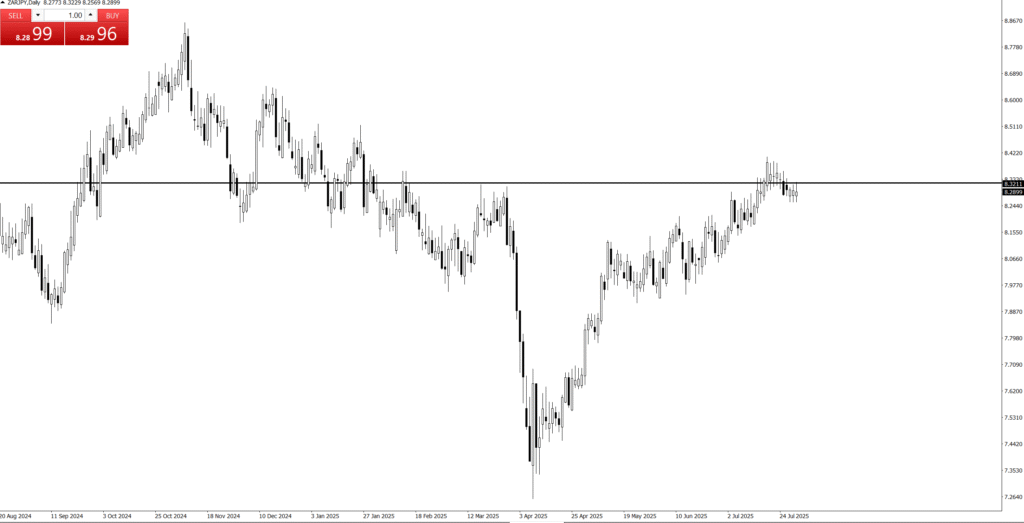
- Is the current trend bullish or bearish?
2. Is the main trend bullish or bearish on selected timeframe?
3. Where is price now? where are the keylevels?
4. Are there any Price Action?
5. Are there any failed Price Action?
6. Is there evidence that the market is getting rid of buyers or sellers?
💰“The Power of Price Action”
Quotes:
“Let Price Tell the Story.”
“Price Never Lies – Everything Else Might.”
“Trade What You See, Not What You Think.”
“Candles Speak Louder Than Indicators.”
- “The Truth is in the Candles.”
The Path of Least Resistance: The Easiest Trade
Chip was staring intensely at a blank screen, muttering about algorithms and Fibonacci extensions. “Ollie, I’ve been filtering all morning, and I can’t find a single entry. Everything is complicated. The easy trades must be a myth!”
Ollie “The Oracle of Obvious” was sketching a simple stick figure on a napkin. “The easy trade isn’t a myth, Chip. It’s simply the one you haven’t waited long enough for. You’re trying to force the market to be easy, instead of waiting for the market to become obvious.”
Ollie then pointed to the chart for Hyper-Loop Textiles (HLT), which had been in a beautiful, calm uptrend for three weeks.
“The easiest trade has three non-negotiable requirements, Chip, and they are all visible to a professional in less than ten seconds,” Ollie said, holding up three fingers.
The Three Gates of Easy Trading
1. Is the Trend Undeniable? (The Direction) “First, zoom out. HLT is clearly painting Higher Highs and Higher Lows. The main highway is heading North. Rule one: Only look for buys. If the market is choppy or sideways, the trade fails the ‘Easy’ test.” Chip nodded, crossing out his mental short-sell ideas.
2. Is Price Testing a Key Level? (The Location) “Second, is the price at an area the market must respect? A major Key Level is where the big money previously stepped in or out. See this old high at $75? Price has been steadily pulling back to it.” Ollie explained that after a breakout, the easiest trade waits for that Key Level to be revisited and act as support.
3. Did the Market Yell ‘NO’ at the Sellers? (The Trigger) As they watched, HLT’s price wick dipped slightly below $75, triggering a minor panic among short-term sellers, only to immediately snap back up. When the candle finally closed, it left behind a perfect, decisive Pin Bar—a long lower wick with a small body, sitting right on the Key Level.
“Look at that, Chip,” Ollie grinned. “That Pin Bar is the market yelling, ‘NO! We are not going lower!’ It’s a clean rejection, confirmed by the Key Level, all in the direction of the undeniable trend.”
Chip stared at the perfect candle, placed precisely on the $75 line. “It’s… so simple. I’ve been looking for three crossing indicators when all I needed was that one giant, angry wick on the line.”
“Exactly. The easy trade is the one you don’t have to squint at, Chip,” Ollie concluded, placing a buy order. “It’s the one where your risk is clearly defined by the Key Level, and your reward is vast because you’re riding the existing trend. It takes patience, but it’s the most exciting kind of professional victory.”
The Path of Least Resistance: Filtering for the Easiest Trade
Chip was frantically swiping across four monitors showing a dizzying array of assets: EUR/USD was grinding sideways, Bitcoin was painting indecisive Doji candles, and three different stock indices were equally messy. “Ollie, I’m filtering, but it’s all complicated! I’ve checked Forex, Crypto, and Stocks, and every single chart is a nightmare! The easy trades must be hiding behind a paywall!”
Ollie “The Oracle of Obvious” was calmly sipping tea, looking at a single screen that displayed a simple watchlist. “The easy trade isn’t hiding, Chip. It’s simply not present in the instruments you are currently obsessing over. You’re trying to force a messy market to give you a clean setup, instead of finding the one market that is currently being obvious.”
Ollie then highlighted a single stock, Hyper-Loop Textiles (HLT), which stood out against the global market mess, having been in a beautiful, calm uptrend for three weeks. “We don’t trade all charts, Chip; we trade the best chart. Let’s apply the professional’s three filters to HLT.”
The Three Gates of Easy Trading
1. Filter the Markets: Is the Trend Undeniable? (The Direction) “First, before we even look at a candle, we filter the asset pool. EUR/USD fails: sideways. BTC fails: consolidation. HLT passes: It is clearly painting Higher Highs and Higher Lows. The main highway is heading North. Rule one: Only look for buys. If the asset is choppy or sideways, the trade fails the ‘Easy’ test. We only trade the one with the cleanest trend.” Chip reluctantly closed the three messy screens, focusing only on HLT.
2. Filter the Price: Is it Testing a Key Level? (The Location) “Second, is the price at an area the market must respect? A major Key Level is where the big money previously stepped in or out. See this old high at $75? Price has been steadily pulling back to it.” Ollie explained that after a breakout, the easiest trade waits for that Key Level to be revisited and act as support. It’s the market’s polite invitation for a low-risk entry.
3. Filter the Time: Did the Market Yell ‘NO’ at the Sellers? (The Trigger) As they watched, HLT’s price wick dipped slightly below $75, triggering a minor panic among short-term sellers, only to immediately snap back up. When the candle finally closed, it left behind a perfect, decisive Pin Bar—a long lower wick with a small body, sitting right on the Key Level.
“Look at that, Chip,” Ollie grinned. “That Pin Bar is the market yelling, ‘NO! We are not going lower!’ It’s a clean rejection, confirmed by the Key Level, all in the direction of the undeniable trend.”
Chip stared at the perfect candle. “It’s… so simple. I wasted 30 minutes staring at the messy charts, and the best trade was on the one I almost ignored.”
“Exactly. The easy trade is the one you don’t have to squint at, Chip,” Ollie concluded, placing a buy order. “It requires the patience to reject 99% of the market and wait for the one chart where the risk is clearly defined, and the reward is vast. That’s the most exciting kind of professional victory.”
The Story of the Chart
The Path of Least Resistance: The Easiest Trade
Chip was staring intensely at a blank screen, muttering about algorithms and Fibonacci extensions. “Ollie, I’ve been filtering all morning, and I can’t find a single entry. Everything is complicated. The easy trades must be a myth!”
Ollie “The Oracle of Obvious” was sketching a simple stick figure on a napkin. “The easy trade isn’t a myth, Chip. It’s simply the one you haven’t waited long enough for. You’re trying to force the market to be easy, instead of waiting for the market to become obvious.”
Ollie then pointed to the chart for Hyper-Loop Textiles (HLT), which had been in a beautiful, calm uptrend for three weeks.
“The easiest trade has three non-negotiable requirements, Chip, and they are all visible to a professional in less than ten seconds,” Ollie said, holding up three fingers.
The Three Gates of Easy Trading
1. Is the Trend Undeniable? (The Direction) “First, zoom out. HLT is clearly painting Higher Highs and Higher Lows. The main highway is heading North. Rule one: Only look for buys. If the market is choppy or sideways, the trade fails the ‘Easy’ test.” Chip nodded, crossing out his mental short-sell ideas.
2. Is Price Testing a Key Level? (The Location) “Second, is the price at an area the market must respect? A major Key Level is where the big money previously stepped in or out. See this old high at $75? Price has been steadily pulling back to it.” Ollie explained that after a breakout, the easiest trade waits for that Key Level to be revisited and act as support.
3. Did the Market Yell ‘NO’ at the Sellers? (The Trigger) As they watched, HLT’s price wick dipped slightly below $75, triggering a minor panic among short-term sellers, only to immediately snap back up. When the candle finally closed, it left behind a perfect, decisive Pin Bar—a long lower wick with a small body, sitting right on the Key Level.
“Look at that, Chip,” Ollie grinned. “That Pin Bar is the market yelling, ‘NO! We are not going lower!’ It’s a clean rejection, confirmed by the Key Level, all in the direction of the undeniable trend.”
Chip stared at the perfect candle, placed precisely on the $75 line. “It’s… so simple. I’ve been looking for three crossing indicators when all I needed was that one giant, angry wick on the line.”
“Exactly. The easy trade is the one you don’t have to squint at, Chip,” Ollie concluded, placing a buy order. “It’s the one where your risk is clearly defined by the Key Level, and your reward is vast because you’re riding the existing trend. It takes patience, but it’s the most exciting kind of professional victory.”
The Path of Least Resistance: Filtering for the Easiest Trade
Chip was frantically swiping across four monitors showing a dizzying array of assets: EUR/USD was grinding sideways, Bitcoin was painting indecisive Doji candles, and three different stock indices were equally messy. “Ollie, I’m filtering, but it’s all complicated! I’ve checked Forex, Crypto, and Stocks, and every single chart is a nightmare! The easy trades must be hiding behind a paywall!”
Ollie “The Oracle of Obvious” was calmly sipping tea, looking at a single screen that displayed a simple watchlist. “The easy trade isn’t hiding, Chip. It’s simply not present in the instruments you are currently obsessing over. You’re trying to force a messy market to give you a clean setup, instead of finding the one market that is currently being obvious.”
Ollie then highlighted a single stock, Hyper-Loop Textiles (HLT), which stood out against the global market mess, having been in a beautiful, calm uptrend for three weeks. “We don’t trade all charts, Chip; we trade the best chart. Let’s apply the professional’s three filters to HLT.”
The Three Gates of Easy Trading
1. Filter the Markets: Is the Trend Undeniable? (The Direction) “First, before we even look at a candle, we filter the asset pool. EUR/USD fails: sideways. BTC fails: consolidation. HLT passes: It is clearly painting Higher Highs and Higher Lows. The main highway is heading North. Rule one: Only look for buys. If the asset is choppy or sideways, the trade fails the ‘Easy’ test. We only trade the one with the cleanest trend.” Chip reluctantly closed the three messy screens, focusing only on HLT.
2. Filter the Price: Is it Testing a Key Level? (The Location) “Second, is the price at an area the market must respect? A major Key Level is where the big money previously stepped in or out. See this old high at $75? Price has been steadily pulling back to it.” Ollie explained that after a breakout, the easiest trade waits for that Key Level to be revisited and act as support. It’s the market’s polite invitation for a low-risk entry.
3. Filter the Time: Did the Market Yell ‘NO’ at the Sellers? (The Trigger) As they watched, HLT’s price wick dipped slightly below $75, triggering a minor panic among short-term sellers, only to immediately snap back up. When the candle finally closed, it left behind a perfect, decisive Pin Bar—a long lower wick with a small body, sitting right on the Key Level.
“Look at that, Chip,” Ollie grinned. “That Pin Bar is the market yelling, ‘NO! We are not going lower!’ It’s a clean rejection, confirmed by the Key Level, all in the direction of the undeniable trend.”
Chip stared at the perfect candle. “It’s… so simple. I wasted 30 minutes staring at the messy charts, and the best trade was on the one I almost ignored.”
“Exactly. The easy trade is the one you don’t have to squint at, Chip,” Ollie concluded, placing a buy order. “It requires the patience to reject 99% of the market and wait for the one chart where the risk is clearly defined, and the reward is vast. That’s the most exciting kind of professional victory.”
18. The Story of Filtering the Markets

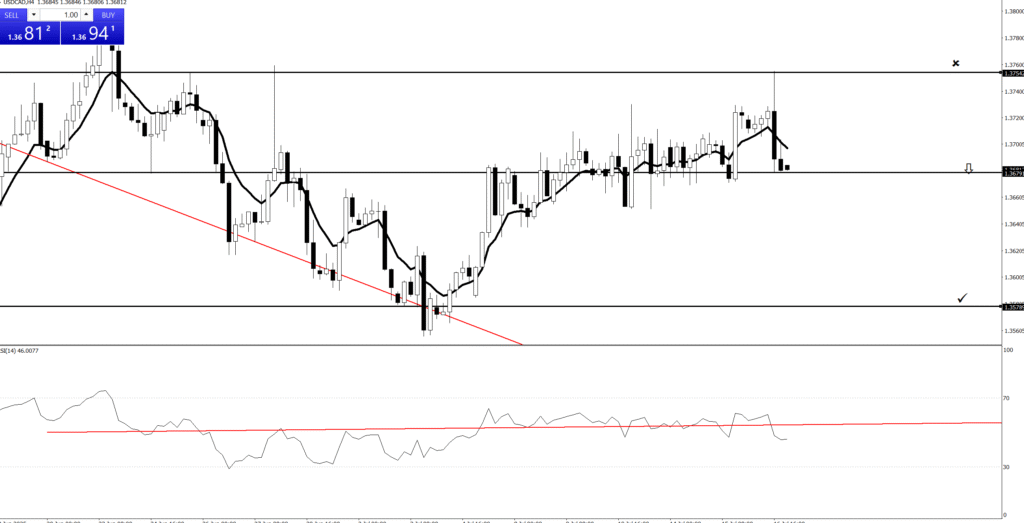
The Path of Least Resistance: The Easiest Trade
Chip was staring intensely at a blank screen, muttering about algorithms and Fibonacci extensions. “Ollie, I’ve been filtering all morning, and I can’t find a single entry. Everything is complicated. The easy trades must be a myth!”
Ollie “The Oracle of Obvious” was sketching a simple stick figure on a napkin. “The easy trade isn’t a myth, Chip. It’s simply the one you haven’t waited long enough for. You’re trying to force the market to be easy, instead of waiting for the market to become obvious.”
Ollie then pointed to the chart for Hyper-Loop Textiles (HLT), which had been in a beautiful, calm uptrend for three weeks.
“The easiest trade has three non-negotiable requirements, Chip, and they are all visible to a professional in less than ten seconds,” Ollie said, holding up three fingers.
The Three Gates of Easy Trading
1. Is the Trend Undeniable? (The Direction) “First, zoom out. HLT is clearly painting Higher Highs and Higher Lows. The main highway is heading North. Rule one: Only look for buys. If the market is choppy or sideways, the trade fails the ‘Easy’ test.” Chip nodded, crossing out his mental short-sell ideas.
2. Is Price Testing a Key Level? (The Location) “Second, is the price at an area the market must respect? A major Key Level is where the big money previously stepped in or out. See this old high at $75? Price has been steadily pulling back to it.” Ollie explained that after a breakout, the easiest trade waits for that Key Level to be revisited and act as support.
3. Did the Market Yell ‘NO’ at the Sellers? (The Trigger) As they watched, HLT’s price wick dipped slightly below $75, triggering a minor panic among short-term sellers, only to immediately snap back up. When the candle finally closed, it left behind a perfect, decisive Pin Bar—a long lower wick with a small body, sitting right on the Key Level.
“Look at that, Chip,” Ollie grinned. “That Pin Bar is the market yelling, ‘NO! We are not going lower!’ It’s a clean rejection, confirmed by the Key Level, all in the direction of the undeniable trend.”
Chip stared at the perfect candle, placed precisely on the $75 line. “It’s… so simple. I’ve been looking for three crossing indicators when all I needed was that one giant, angry wick on the line.”
“Exactly. The easy trade is the one you don’t have to squint at, Chip,” Ollie concluded, placing a buy order. “It’s the one where your risk is clearly defined by the Key Level, and your reward is vast because you’re riding the existing trend. It takes patience, but it’s the most exciting kind of professional victory.”
The Path of Least Resistance: Filtering for the Easiest Trade
Chip was frantically swiping across four monitors showing a dizzying array of assets: EUR/USD was grinding sideways, Bitcoin was painting indecisive Doji candles, and three different stock indices were equally messy. “Ollie, I’m filtering, but it’s all complicated! I’ve checked Forex, Crypto, and Stocks, and every single chart is a nightmare! The easy trades must be hiding behind a paywall!”
Ollie “The Oracle of Obvious” was calmly sipping tea, looking at a single screen that displayed a simple watchlist. “The easy trade isn’t hiding, Chip. It’s simply not present in the instruments you are currently obsessing over. You’re trying to force a messy market to give you a clean setup, instead of finding the one market that is currently being obvious.”
Ollie then highlighted a single stock, Hyper-Loop Textiles (HLT), which stood out against the global market mess, having been in a beautiful, calm uptrend for three weeks. “We don’t trade all charts, Chip; we trade the best chart. Let’s apply the professional’s three filters to HLT.”
The Three Gates of Easy Trading
1. Filter the Markets: Is the Trend Undeniable? (The Direction) “First, before we even look at a candle, we filter the asset pool. EUR/USD fails: sideways. BTC fails: consolidation. HLT passes: It is clearly painting Higher Highs and Higher Lows. The main highway is heading North. Rule one: Only look for buys. If the asset is choppy or sideways, the trade fails the ‘Easy’ test. We only trade the one with the cleanest trend.” Chip reluctantly closed the three messy screens, focusing only on HLT.
2. Filter the Price: Is it Testing a Key Level? (The Location) “Second, is the price at an area the market must respect? A major Key Level is where the big money previously stepped in or out. See this old high at $75? Price has been steadily pulling back to it.” Ollie explained that after a breakout, the easiest trade waits for that Key Level to be revisited and act as support. It’s the market’s polite invitation for a low-risk entry.
3. Filter the Time: Did the Market Yell ‘NO’ at the Sellers? (The Trigger) As they watched, HLT’s price wick dipped slightly below $75, triggering a minor panic among short-term sellers, only to immediately snap back up. When the candle finally closed, it left behind a perfect, decisive Pin Bar—a long lower wick with a small body, sitting right on the Key Level.
“Look at that, Chip,” Ollie grinned. “That Pin Bar is the market yelling, ‘NO! We are not going lower!’ It’s a clean rejection, confirmed by the Key Level, all in the direction of the undeniable trend.”
Chip stared at the perfect candle. “It’s… so simple. I wasted 30 minutes staring at the messy charts, and the best trade was on the one I almost ignored.”
“Exactly. The easy trade is the one you don’t have to squint at, Chip,” Ollie concluded, placing a buy order. “It requires the patience to reject 99% of the market and wait for the one chart where the risk is clearly defined, and the reward is vast. That’s the most exciting kind of professional victory.”
💰Quotes:
“Enter the trade — then sit on your hands like a monk!”
“We don’t click and panic. We click and chill.”
“Traders who wait, get paid. Traders who fidget… donate!”
“We enter the trade, then do absolutely nothing like pros.”
“Let the market work. You’re not its boss.”
💰Normal Tone Slogans:
“Enter with a plan, then let the trade play out.”
“The work is in the setup — the result comes with patience.”
“We don’t babysit trades. We trust our edge.”
“Entry is action. Waiting is discipline.”
“After entry, emotion has no place — only patience.”

The Story of Filtering the Markets
The Story of Filtering the Markets
The Story of Filtering the Markets
The Story
Add Your Heading Text Here
- Is the current trend bullish or bearish?
2. Is the main trend bullish or bearish on selected timeframe?
3. Where is price now? where are the keylevels?
4. Are there any Price Action?
5. Are there any failed Price Action?
6. Is there evidence that the market is getting rid of buyers or sellers?
💰“The Power of Price Action”
Quotes:
“Let Price Tell the Story.”
“Price Never Lies – Everything Else Might.”
“Trade What You See, Not What You Think.”
“Candles Speak Louder Than Indicators.”
- “The Truth is in the Candles.”
The Path of Least Resistance: The Easiest Trade
Chip was staring intensely at a blank screen, muttering about algorithms and Fibonacci extensions. “Ollie, I’ve been filtering all morning, and I can’t find a single entry. Everything is complicated. The easy trades must be a myth!”
Ollie “The Oracle of Obvious” was sketching a simple stick figure on a napkin. “The easy trade isn’t a myth, Chip. It’s simply the one you haven’t waited long enough for. You’re trying to force the market to be easy, instead of waiting for the market to become obvious.”
Ollie then pointed to the chart for Hyper-Loop Textiles (HLT), which had been in a beautiful, calm uptrend for three weeks.
“The easiest trade has three non-negotiable requirements, Chip, and they are all visible to a professional in less than ten seconds,” Ollie said, holding up three fingers.
The Three Gates of Easy Trading
1. Is the Trend Undeniable? (The Direction) “First, zoom out. HLT is clearly painting Higher Highs and Higher Lows. The main highway is heading North. Rule one: Only look for buys. If the market is choppy or sideways, the trade fails the ‘Easy’ test.” Chip nodded, crossing out his mental short-sell ideas.
2. Is Price Testing a Key Level? (The Location) “Second, is the price at an area the market must respect? A major Key Level is where the big money previously stepped in or out. See this old high at $75? Price has been steadily pulling back to it.” Ollie explained that after a breakout, the easiest trade waits for that Key Level to be revisited and act as support.
3. Did the Market Yell ‘NO’ at the Sellers? (The Trigger) As they watched, HLT’s price wick dipped slightly below $75, triggering a minor panic among short-term sellers, only to immediately snap back up. When the candle finally closed, it left behind a perfect, decisive Pin Bar—a long lower wick with a small body, sitting right on the Key Level.
“Look at that, Chip,” Ollie grinned. “That Pin Bar is the market yelling, ‘NO! We are not going lower!’ It’s a clean rejection, confirmed by the Key Level, all in the direction of the undeniable trend.”
Chip stared at the perfect candle, placed precisely on the $75 line. “It’s… so simple. I’ve been looking for three crossing indicators when all I needed was that one giant, angry wick on the line.”
“Exactly. The easy trade is the one you don’t have to squint at, Chip,” Ollie concluded, placing a buy order. “It’s the one where your risk is clearly defined by the Key Level, and your reward is vast because you’re riding the existing trend. It takes patience, but it’s the most exciting kind of professional victory.”
The Path of Least Resistance: Filtering for the Easiest Trade
Chip was frantically swiping across four monitors showing a dizzying array of assets: EUR/USD was grinding sideways, Bitcoin was painting indecisive Doji candles, and three different stock indices were equally messy. “Ollie, I’m filtering, but it’s all complicated! I’ve checked Forex, Crypto, and Stocks, and every single chart is a nightmare! The easy trades must be hiding behind a paywall!”
Ollie “The Oracle of Obvious” was calmly sipping tea, looking at a single screen that displayed a simple watchlist. “The easy trade isn’t hiding, Chip. It’s simply not present in the instruments you are currently obsessing over. You’re trying to force a messy market to give you a clean setup, instead of finding the one market that is currently being obvious.”
Ollie then highlighted a single stock, Hyper-Loop Textiles (HLT), which stood out against the global market mess, having been in a beautiful, calm uptrend for three weeks. “We don’t trade all charts, Chip; we trade the best chart. Let’s apply the professional’s three filters to HLT.”
The Three Gates of Easy Trading
1. Filter the Markets: Is the Trend Undeniable? (The Direction) “First, before we even look at a candle, we filter the asset pool. EUR/USD fails: sideways. BTC fails: consolidation. HLT passes: It is clearly painting Higher Highs and Higher Lows. The main highway is heading North. Rule one: Only look for buys. If the asset is choppy or sideways, the trade fails the ‘Easy’ test. We only trade the one with the cleanest trend.” Chip reluctantly closed the three messy screens, focusing only on HLT.
2. Filter the Price: Is it Testing a Key Level? (The Location) “Second, is the price at an area the market must respect? A major Key Level is where the big money previously stepped in or out. See this old high at $75? Price has been steadily pulling back to it.” Ollie explained that after a breakout, the easiest trade waits for that Key Level to be revisited and act as support. It’s the market’s polite invitation for a low-risk entry.
3. Filter the Time: Did the Market Yell ‘NO’ at the Sellers? (The Trigger) As they watched, HLT’s price wick dipped slightly below $75, triggering a minor panic among short-term sellers, only to immediately snap back up. When the candle finally closed, it left behind a perfect, decisive Pin Bar—a long lower wick with a small body, sitting right on the Key Level.
“Look at that, Chip,” Ollie grinned. “That Pin Bar is the market yelling, ‘NO! We are not going lower!’ It’s a clean rejection, confirmed by the Key Level, all in the direction of the undeniable trend.”
Chip stared at the perfect candle. “It’s… so simple. I wasted 30 minutes staring at the messy charts, and the best trade was on the one I almost ignored.”
“Exactly. The easy trade is the one you don’t have to squint at, Chip,” Ollie concluded, placing a buy order. “It requires the patience to reject 99% of the market and wait for the one chart where the risk is clearly defined, and the reward is vast. That’s the most exciting kind of professional victory.”
The Story of Filtering the Markets
- Is the current trend bullish or bearish?
2. Is the main trend bullish or bearish on selected timeframe?
3. Where is price now? where are the keylevels?
4. Are there any Price Action?
5. Are there any failed Price Action?
6. Is there evidence that the market is getting rid of buyers or sellers?
💰“The Power of Price Action”
Quotes:
“Let Price Tell the Story.”
“Price Never Lies – Everything Else Might.”
“Trade What You See, Not What You Think.”
“Candles Speak Louder Than Indicators.”
- “The Truth is in the Candles.”
The Path of Least Resistance: The Easiest Trade
Chip was staring intensely at a blank screen, muttering about algorithms and Fibonacci extensions. “Ollie, I’ve been filtering all morning, and I can’t find a single entry. Everything is complicated. The easy trades must be a myth!”
Ollie “The Oracle of Obvious” was sketching a simple stick figure on a napkin. “The easy trade isn’t a myth, Chip. It’s simply the one you haven’t waited long enough for. You’re trying to force the market to be easy, instead of waiting for the market to become obvious.”
Ollie then pointed to the chart for Hyper-Loop Textiles (HLT), which had been in a beautiful, calm uptrend for three weeks.
“The easiest trade has three non-negotiable requirements, Chip, and they are all visible to a professional in less than ten seconds,” Ollie said, holding up three fingers.
The Three Gates of Easy Trading
1. Is the Trend Undeniable? (The Direction) “First, zoom out. HLT is clearly painting Higher Highs and Higher Lows. The main highway is heading North. Rule one: Only look for buys. If the market is choppy or sideways, the trade fails the ‘Easy’ test.” Chip nodded, crossing out his mental short-sell ideas.
2. Is Price Testing a Key Level? (The Location) “Second, is the price at an area the market must respect? A major Key Level is where the big money previously stepped in or out. See this old high at $75? Price has been steadily pulling back to it.” Ollie explained that after a breakout, the easiest trade waits for that Key Level to be revisited and act as support.
3. Did the Market Yell ‘NO’ at the Sellers? (The Trigger) As they watched, HLT’s price wick dipped slightly below $75, triggering a minor panic among short-term sellers, only to immediately snap back up. When the candle finally closed, it left behind a perfect, decisive Pin Bar—a long lower wick with a small body, sitting right on the Key Level.
“Look at that, Chip,” Ollie grinned. “That Pin Bar is the market yelling, ‘NO! We are not going lower!’ It’s a clean rejection, confirmed by the Key Level, all in the direction of the undeniable trend.”
Chip stared at the perfect candle, placed precisely on the $75 line. “It’s… so simple. I’ve been looking for three crossing indicators when all I needed was that one giant, angry wick on the line.”
“Exactly. The easy trade is the one you don’t have to squint at, Chip,” Ollie concluded, placing a buy order. “It’s the one where your risk is clearly defined by the Key Level, and your reward is vast because you’re riding the existing trend. It takes patience, but it’s the most exciting kind of professional victory.”
The Path of Least Resistance: Filtering for the Easiest Trade
Chip was frantically swiping across four monitors showing a dizzying array of assets: EUR/USD was grinding sideways, Bitcoin was painting indecisive Doji candles, and three different stock indices were equally messy. “Ollie, I’m filtering, but it’s all complicated! I’ve checked Forex, Crypto, and Stocks, and every single chart is a nightmare! The easy trades must be hiding behind a paywall!”
Ollie “The Oracle of Obvious” was calmly sipping tea, looking at a single screen that displayed a simple watchlist. “The easy trade isn’t hiding, Chip. It’s simply not present in the instruments you are currently obsessing over. You’re trying to force a messy market to give you a clean setup, instead of finding the one market that is currently being obvious.”
Ollie then highlighted a single stock, Hyper-Loop Textiles (HLT), which stood out against the global market mess, having been in a beautiful, calm uptrend for three weeks. “We don’t trade all charts, Chip; we trade the best chart. Let’s apply the professional’s three filters to HLT.”
The Three Gates of Easy Trading
1. Filter the Markets: Is the Trend Undeniable? (The Direction) “First, before we even look at a candle, we filter the asset pool. EUR/USD fails: sideways. BTC fails: consolidation. HLT passes: It is clearly painting Higher Highs and Higher Lows. The main highway is heading North. Rule one: Only look for buys. If the asset is choppy or sideways, the trade fails the ‘Easy’ test. We only trade the one with the cleanest trend.” Chip reluctantly closed the three messy screens, focusing only on HLT.
2. Filter the Price: Is it Testing a Key Level? (The Location) “Second, is the price at an area the market must respect? A major Key Level is where the big money previously stepped in or out. See this old high at $75? Price has been steadily pulling back to it.” Ollie explained that after a breakout, the easiest trade waits for that Key Level to be revisited and act as support. It’s the market’s polite invitation for a low-risk entry.
3. Filter the Time: Did the Market Yell ‘NO’ at the Sellers? (The Trigger) As they watched, HLT’s price wick dipped slightly below $75, triggering a minor panic among short-term sellers, only to immediately snap back up. When the candle finally closed, it left behind a perfect, decisive Pin Bar—a long lower wick with a small body, sitting right on the Key Level.
“Look at that, Chip,” Ollie grinned. “That Pin Bar is the market yelling, ‘NO! We are not going lower!’ It’s a clean rejection, confirmed by the Key Level, all in the direction of the undeniable trend.”
Chip stared at the perfect candle. “It’s… so simple. I wasted 30 minutes staring at the messy charts, and the best trade was on the one I almost ignored.”
“Exactly. The easy trade is the one you don’t have to squint at, Chip,” Ollie concluded, placing a buy order. “It requires the patience to reject 99% of the market and wait for the one chart where the risk is clearly defined, and the reward is vast. That’s the most exciting kind of professional victory.”
The Story of Filtering the Markets
- Is the current trend bullish or bearish?
2. Is the main trend bullish or bearish on selected timeframe?
3. Where is price now? where are the keylevels?
4. Are there any Price Action?
5. Are there any failed Price Action?
6. Is there evidence that the market is getting rid of buyers or sellers?
💰“The Power of Price Action”
Quotes:
“Let Price Tell the Story.”
“Price Never Lies – Everything Else Might.”
“Trade What You See, Not What You Think.”
“Candles Speak Louder Than Indicators.”
- “The Truth is in the Candles.”
The Path of Least Resistance: The Easiest Trade
Chip was staring intensely at a blank screen, muttering about algorithms and Fibonacci extensions. “Ollie, I’ve been filtering all morning, and I can’t find a single entry. Everything is complicated. The easy trades must be a myth!”
Ollie “The Oracle of Obvious” was sketching a simple stick figure on a napkin. “The easy trade isn’t a myth, Chip. It’s simply the one you haven’t waited long enough for. You’re trying to force the market to be easy, instead of waiting for the market to become obvious.”
Ollie then pointed to the chart for Hyper-Loop Textiles (HLT), which had been in a beautiful, calm uptrend for three weeks.
“The easiest trade has three non-negotiable requirements, Chip, and they are all visible to a professional in less than ten seconds,” Ollie said, holding up three fingers.
The Three Gates of Easy Trading
1. Is the Trend Undeniable? (The Direction) “First, zoom out. HLT is clearly painting Higher Highs and Higher Lows. The main highway is heading North. Rule one: Only look for buys. If the market is choppy or sideways, the trade fails the ‘Easy’ test.” Chip nodded, crossing out his mental short-sell ideas.
2. Is Price Testing a Key Level? (The Location) “Second, is the price at an area the market must respect? A major Key Level is where the big money previously stepped in or out. See this old high at $75? Price has been steadily pulling back to it.” Ollie explained that after a breakout, the easiest trade waits for that Key Level to be revisited and act as support.
3. Did the Market Yell ‘NO’ at the Sellers? (The Trigger) As they watched, HLT’s price wick dipped slightly below $75, triggering a minor panic among short-term sellers, only to immediately snap back up. When the candle finally closed, it left behind a perfect, decisive Pin Bar—a long lower wick with a small body, sitting right on the Key Level.
“Look at that, Chip,” Ollie grinned. “That Pin Bar is the market yelling, ‘NO! We are not going lower!’ It’s a clean rejection, confirmed by the Key Level, all in the direction of the undeniable trend.”
Chip stared at the perfect candle, placed precisely on the $75 line. “It’s… so simple. I’ve been looking for three crossing indicators when all I needed was that one giant, angry wick on the line.”
“Exactly. The easy trade is the one you don’t have to squint at, Chip,” Ollie concluded, placing a buy order. “It’s the one where your risk is clearly defined by the Key Level, and your reward is vast because you’re riding the existing trend. It takes patience, but it’s the most exciting kind of professional victory.”
The Path of Least Resistance: Filtering for the Easiest Trade
Chip was frantically swiping across four monitors showing a dizzying array of assets: EUR/USD was grinding sideways, Bitcoin was painting indecisive Doji candles, and three different stock indices were equally messy. “Ollie, I’m filtering, but it’s all complicated! I’ve checked Forex, Crypto, and Stocks, and every single chart is a nightmare! The easy trades must be hiding behind a paywall!”
Ollie “The Oracle of Obvious” was calmly sipping tea, looking at a single screen that displayed a simple watchlist. “The easy trade isn’t hiding, Chip. It’s simply not present in the instruments you are currently obsessing over. You’re trying to force a messy market to give you a clean setup, instead of finding the one market that is currently being obvious.”
Ollie then highlighted a single stock, Hyper-Loop Textiles (HLT), which stood out against the global market mess, having been in a beautiful, calm uptrend for three weeks. “We don’t trade all charts, Chip; we trade the best chart. Let’s apply the professional’s three filters to HLT.”
The Three Gates of Easy Trading
1. Filter the Markets: Is the Trend Undeniable? (The Direction) “First, before we even look at a candle, we filter the asset pool. EUR/USD fails: sideways. BTC fails: consolidation. HLT passes: It is clearly painting Higher Highs and Higher Lows. The main highway is heading North. Rule one: Only look for buys. If the asset is choppy or sideways, the trade fails the ‘Easy’ test. We only trade the one with the cleanest trend.” Chip reluctantly closed the three messy screens, focusing only on HLT.
2. Filter the Price: Is it Testing a Key Level? (The Location) “Second, is the price at an area the market must respect? A major Key Level is where the big money previously stepped in or out. See this old high at $75? Price has been steadily pulling back to it.” Ollie explained that after a breakout, the easiest trade waits for that Key Level to be revisited and act as support. It’s the market’s polite invitation for a low-risk entry.
3. Filter the Time: Did the Market Yell ‘NO’ at the Sellers? (The Trigger) As they watched, HLT’s price wick dipped slightly below $75, triggering a minor panic among short-term sellers, only to immediately snap back up. When the candle finally closed, it left behind a perfect, decisive Pin Bar—a long lower wick with a small body, sitting right on the Key Level.
“Look at that, Chip,” Ollie grinned. “That Pin Bar is the market yelling, ‘NO! We are not going lower!’ It’s a clean rejection, confirmed by the Key Level, all in the direction of the undeniable trend.”
Chip stared at the perfect candle. “It’s… so simple. I wasted 30 minutes staring at the messy charts, and the best trade was on the one I almost ignored.”
“Exactly. The easy trade is the one you don’t have to squint at, Chip,” Ollie concluded, placing a buy order. “It requires the patience to reject 99% of the market and wait for the one chart where the risk is clearly defined, and the reward is vast. That’s the most exciting kind of professional victory.”
18. The Story of the Closed Candle
- Is the current trend bullish or bearish?
2. Is the main trend bullish or bearish on selected timeframe?
3. Where is price now? where are the keylevels?
4. Are there any Price Action?
5. Are there any failed Price Action?
6. Is there evidence that the market is getting rid of buyers or sellers?
💰“The Power of Price Action”
Quotes:
“Let Price Tell the Story.”
“Price Never Lies – Everything Else Might.”
“Trade What You See, Not What You Think.”
“Candles Speak Louder Than Indicators.”
- “The Truth is in the Candles.”
The Path of Least Resistance: The Easiest Trade
Chip was staring intensely at a blank screen, muttering about algorithms and Fibonacci extensions. “Ollie, I’ve been filtering all morning, and I can’t find a single entry. Everything is complicated. The easy trades must be a myth!”
Ollie “The Oracle of Obvious” was sketching a simple stick figure on a napkin. “The easy trade isn’t a myth, Chip. It’s simply the one you haven’t waited long enough for. You’re trying to force the market to be easy, instead of waiting for the market to become obvious.”
Ollie then pointed to the chart for Hyper-Loop Textiles (HLT), which had been in a beautiful, calm uptrend for three weeks.
“The easiest trade has three non-negotiable requirements, Chip, and they are all visible to a professional in less than ten seconds,” Ollie said, holding up three fingers.
The Three Gates of Easy Trading
1. Is the Trend Undeniable? (The Direction) “First, zoom out. HLT is clearly painting Higher Highs and Higher Lows. The main highway is heading North. Rule one: Only look for buys. If the market is choppy or sideways, the trade fails the ‘Easy’ test.” Chip nodded, crossing out his mental short-sell ideas.
2. Is Price Testing a Key Level? (The Location) “Second, is the price at an area the market must respect? A major Key Level is where the big money previously stepped in or out. See this old high at $75? Price has been steadily pulling back to it.” Ollie explained that after a breakout, the easiest trade waits for that Key Level to be revisited and act as support.
3. Did the Market Yell ‘NO’ at the Sellers? (The Trigger) As they watched, HLT’s price wick dipped slightly below $75, triggering a minor panic among short-term sellers, only to immediately snap back up. When the candle finally closed, it left behind a perfect, decisive Pin Bar—a long lower wick with a small body, sitting right on the Key Level.
“Look at that, Chip,” Ollie grinned. “That Pin Bar is the market yelling, ‘NO! We are not going lower!’ It’s a clean rejection, confirmed by the Key Level, all in the direction of the undeniable trend.”
Chip stared at the perfect candle, placed precisely on the $75 line. “It’s… so simple. I’ve been looking for three crossing indicators when all I needed was that one giant, angry wick on the line.”
“Exactly. The easy trade is the one you don’t have to squint at, Chip,” Ollie concluded, placing a buy order. “It’s the one where your risk is clearly defined by the Key Level, and your reward is vast because you’re riding the existing trend. It takes patience, but it’s the most exciting kind of professional victory.”
The Path of Least Resistance: Filtering for the Easiest Trade
Chip was frantically swiping across four monitors showing a dizzying array of assets: EUR/USD was grinding sideways, Bitcoin was painting indecisive Doji candles, and three different stock indices were equally messy. “Ollie, I’m filtering, but it’s all complicated! I’ve checked Forex, Crypto, and Stocks, and every single chart is a nightmare! The easy trades must be hiding behind a paywall!”
Ollie “The Oracle of Obvious” was calmly sipping tea, looking at a single screen that displayed a simple watchlist. “The easy trade isn’t hiding, Chip. It’s simply not present in the instruments you are currently obsessing over. You’re trying to force a messy market to give you a clean setup, instead of finding the one market that is currently being obvious.”
Ollie then highlighted a single stock, Hyper-Loop Textiles (HLT), which stood out against the global market mess, having been in a beautiful, calm uptrend for three weeks. “We don’t trade all charts, Chip; we trade the best chart. Let’s apply the professional’s three filters to HLT.”
The Three Gates of Easy Trading
1. Filter the Markets: Is the Trend Undeniable? (The Direction) “First, before we even look at a candle, we filter the asset pool. EUR/USD fails: sideways. BTC fails: consolidation. HLT passes: It is clearly painting Higher Highs and Higher Lows. The main highway is heading North. Rule one: Only look for buys. If the asset is choppy or sideways, the trade fails the ‘Easy’ test. We only trade the one with the cleanest trend.” Chip reluctantly closed the three messy screens, focusing only on HLT.
2. Filter the Price: Is it Testing a Key Level? (The Location) “Second, is the price at an area the market must respect? A major Key Level is where the big money previously stepped in or out. See this old high at $75? Price has been steadily pulling back to it.” Ollie explained that after a breakout, the easiest trade waits for that Key Level to be revisited and act as support. It’s the market’s polite invitation for a low-risk entry.
3. Filter the Time: Did the Market Yell ‘NO’ at the Sellers? (The Trigger) As they watched, HLT’s price wick dipped slightly below $75, triggering a minor panic among short-term sellers, only to immediately snap back up. When the candle finally closed, it left behind a perfect, decisive Pin Bar—a long lower wick with a small body, sitting right on the Key Level.
“Look at that, Chip,” Ollie grinned. “That Pin Bar is the market yelling, ‘NO! We are not going lower!’ It’s a clean rejection, confirmed by the Key Level, all in the direction of the undeniable trend.”
Chip stared at the perfect candle. “It’s… so simple. I wasted 30 minutes staring at the messy charts, and the best trade was on the one I almost ignored.”
“Exactly. The easy trade is the one you don’t have to squint at, Chip,” Ollie concluded, placing a buy order. “It requires the patience to reject 99% of the market and wait for the one chart where the risk is clearly defined, and the reward is vast. That’s the most exciting kind of professional victory.”
18. The Story of the Closed Candle
- Is the current trend bullish or bearish?
2. Is the main trend bullish or bearish on selected timeframe?
3. Where is price now? where are the keylevels?
4. Are there any Price Action?
5. Are there any failed Price Action?
6. Is there evidence that the market is getting rid of buyers or sellers?
💰“The Power of Price Action”
Quotes:
“Let Price Tell the Story.”
“Price Never Lies – Everything Else Might.”
“Trade What You See, Not What You Think.”
“Candles Speak Louder Than Indicators.”
- “The Truth is in the Candles.”
The Path of Least Resistance: The Easiest Trade
Chip was staring intensely at a blank screen, muttering about algorithms and Fibonacci extensions. “Ollie, I’ve been filtering all morning, and I can’t find a single entry. Everything is complicated. The easy trades must be a myth!”
Ollie “The Oracle of Obvious” was sketching a simple stick figure on a napkin. “The easy trade isn’t a myth, Chip. It’s simply the one you haven’t waited long enough for. You’re trying to force the market to be easy, instead of waiting for the market to become obvious.”
Ollie then pointed to the chart for Hyper-Loop Textiles (HLT), which had been in a beautiful, calm uptrend for three weeks.
“The easiest trade has three non-negotiable requirements, Chip, and they are all visible to a professional in less than ten seconds,” Ollie said, holding up three fingers.
The Three Gates of Easy Trading
1. Is the Trend Undeniable? (The Direction) “First, zoom out. HLT is clearly painting Higher Highs and Higher Lows. The main highway is heading North. Rule one: Only look for buys. If the market is choppy or sideways, the trade fails the ‘Easy’ test.” Chip nodded, crossing out his mental short-sell ideas.
2. Is Price Testing a Key Level? (The Location) “Second, is the price at an area the market must respect? A major Key Level is where the big money previously stepped in or out. See this old high at $75? Price has been steadily pulling back to it.” Ollie explained that after a breakout, the easiest trade waits for that Key Level to be revisited and act as support.
3. Did the Market Yell ‘NO’ at the Sellers? (The Trigger) As they watched, HLT’s price wick dipped slightly below $75, triggering a minor panic among short-term sellers, only to immediately snap back up. When the candle finally closed, it left behind a perfect, decisive Pin Bar—a long lower wick with a small body, sitting right on the Key Level.
“Look at that, Chip,” Ollie grinned. “That Pin Bar is the market yelling, ‘NO! We are not going lower!’ It’s a clean rejection, confirmed by the Key Level, all in the direction of the undeniable trend.”
Chip stared at the perfect candle, placed precisely on the $75 line. “It’s… so simple. I’ve been looking for three crossing indicators when all I needed was that one giant, angry wick on the line.”
“Exactly. The easy trade is the one you don’t have to squint at, Chip,” Ollie concluded, placing a buy order. “It’s the one where your risk is clearly defined by the Key Level, and your reward is vast because you’re riding the existing trend. It takes patience, but it’s the most exciting kind of professional victory.”
The Path of Least Resistance: Filtering for the Easiest Trade
Chip was frantically swiping across four monitors showing a dizzying array of assets: EUR/USD was grinding sideways, Bitcoin was painting indecisive Doji candles, and three different stock indices were equally messy. “Ollie, I’m filtering, but it’s all complicated! I’ve checked Forex, Crypto, and Stocks, and every single chart is a nightmare! The easy trades must be hiding behind a paywall!”
Ollie “The Oracle of Obvious” was calmly sipping tea, looking at a single screen that displayed a simple watchlist. “The easy trade isn’t hiding, Chip. It’s simply not present in the instruments you are currently obsessing over. You’re trying to force a messy market to give you a clean setup, instead of finding the one market that is currently being obvious.”
Ollie then highlighted a single stock, Hyper-Loop Textiles (HLT), which stood out against the global market mess, having been in a beautiful, calm uptrend for three weeks. “We don’t trade all charts, Chip; we trade the best chart. Let’s apply the professional’s three filters to HLT.”
The Three Gates of Easy Trading
1. Filter the Markets: Is the Trend Undeniable? (The Direction) “First, before we even look at a candle, we filter the asset pool. EUR/USD fails: sideways. BTC fails: consolidation. HLT passes: It is clearly painting Higher Highs and Higher Lows. The main highway is heading North. Rule one: Only look for buys. If the asset is choppy or sideways, the trade fails the ‘Easy’ test. We only trade the one with the cleanest trend.” Chip reluctantly closed the three messy screens, focusing only on HLT.
2. Filter the Price: Is it Testing a Key Level? (The Location) “Second, is the price at an area the market must respect? A major Key Level is where the big money previously stepped in or out. See this old high at $75? Price has been steadily pulling back to it.” Ollie explained that after a breakout, the easiest trade waits for that Key Level to be revisited and act as support. It’s the market’s polite invitation for a low-risk entry.
3. Filter the Time: Did the Market Yell ‘NO’ at the Sellers? (The Trigger) As they watched, HLT’s price wick dipped slightly below $75, triggering a minor panic among short-term sellers, only to immediately snap back up. When the candle finally closed, it left behind a perfect, decisive Pin Bar—a long lower wick with a small body, sitting right on the Key Level.
“Look at that, Chip,” Ollie grinned. “That Pin Bar is the market yelling, ‘NO! We are not going lower!’ It’s a clean rejection, confirmed by the Key Level, all in the direction of the undeniable trend.”
Chip stared at the perfect candle. “It’s… so simple. I wasted 30 minutes staring at the messy charts, and the best trade was on the one I almost ignored.”
“Exactly. The easy trade is the one you don’t have to squint at, Chip,” Ollie concluded, placing a buy order. “It requires the patience to reject 99% of the market and wait for the one chart where the risk is clearly defined, and the reward is vast. That’s the most exciting kind of professional victory.”