The Story
The Story
The Story of the Chart

The Story of the Chart
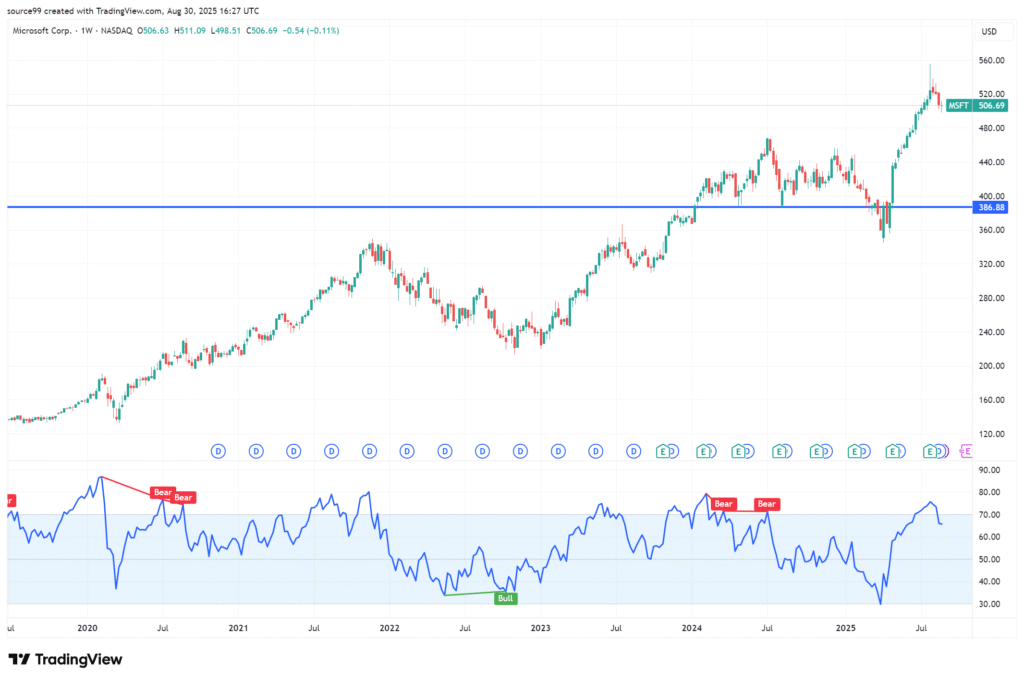
- Is the current trend bullish or bearish?
2. Is the main trend bullish or bearish on selected timeframe?
3. Where is price now? where are the keylevels?
4. Are there any Price Action?
5. Are there any failed Price Action?
6. Is there evidence that the market is getting rid of buyers or sellers?
💰“The Power of Price Action”
Quotes:
“Let Price Tell the Story.”
“Price Never Lies – Everything Else Might.”
“Trade What You See, Not What You Think.”
“Candles Speak Louder Than Indicators.”
- “The Truth is in the Candles.”
The Disciplined Destroyer: The Take-Profit Story
Leo “The Disciplined Destroyer” was famous on the floor not for his huge wins, but for his perfectly average, utterly consistent ones. While his neighbors tried to squeeze every last cent out of a rally, Leo believed in the Take-Profit (T.P.) order—the pre-set price at which you gracefully lock in your gains, ensuring a victory instead of a temporary high score.
He called it the “Greed Deflector Shield.” Professionally, the T.P. is placed at a logical resistance level or based on a calculated risk-to-reward ratio. Humorously, it’s placed just before the market decides to spontaneously reverse course and make you look foolish.
Leo was currently long on AeroDynamics (AERO), a stock soaring on a stellar earnings report. His initial analysis had set his T.P. at $55.50. This price represented a historical high-water mark—a level where previous rallies had run out of steam. It was a 12% profit—excellent, stable, and worth defending.
His colleague, Gary, sitting three desks over, was also long AERO, but Gary had no T.P. in sight. As AERO rocketed toward $55.00, Gary started doing the “victory waddle,” circling his desk and yelling, “It’s breaking $60! We’re going to the moon, Leo! Don’t sell! You’ll regret it!”
Leo just smiled, calmly monitoring the volume. He knew this high-flying excitement was exactly when the smart money—the institutions—started quietly selling into the retail frenzy. He watched the stock ticker hit $55.48, $55.49… and then, with a professional, satisfying ping, his T.P. order at $55.50 executed. Done. Capital secured.
AERO hit a glorious $55.75, confirming Gary’s predictions for about thirty seconds. Gary let out a triumphant roar. Then, massive sell orders flooded the market. The price stalled, dipped, and within ten minutes, it was back down to $53.00, and falling fast. Gary’s face, minutes ago flushed with excitement, now resembled a haunted potato. He was holding onto a phantom profit, watching a 12% gain shrink into a frustrating 4% gain, because he had tried to capture the impossible peak.
“You left 25 cents on the table!” Gary lamented, his head in his hands. Leo chuckled. “I locked in 12 percent. You locked in regret. The goal isn’t to be perfect, Gary. It’s to be consistently profitable.” A good T.P. means walking away happy, even if the stock twitches higher—it’s the ultimate discipline that professional excitement relies upon.
Alright, gather ’round, aspiring titans of trading, for a tale as old as the candlesticks themselves – the legend of “The Elusive Take Profit!”
Our story begins in the bustling digital arena, where keyboards clacked like a thousand tiny hooves and screens glowed with the fervent hope of green numbers. Meet Bartholomew “Barty” Bumble, a man whose enthusiasm for the market was matched only by his uncanny ability to snatch defeat from the jaws of victory. Barty had just spotted it – “The Mother of All Breakouts,” he’d declared to his slightly singed monitor. A penny stock, long dormant, was suddenly soaring like an eagle on a caffeine buzz.
“This is it!” Barty exclaimed, his eyes wide as saucers. “My ticket to early retirement and a lifetime supply of artisanal toast!”
He bought in, naturally. And the stock, bless its little silicon heart, continued its ascent. Barty watched, mesmerized, as his initial investment blossomed into a small, but noticeable, fortune. His finger hovered over the “sell” button, a bead of sweat tracing a path down his temple. This was the moment. The glorious “Take Profit.”
But then, a mischievous whisper slithered into his ear, “Just a little more, Barty. Think of the extra artisanal toast! Think of the gold-flaked artisanal toast!”
Barty, a connoisseur of fine baked goods, hesitated. “Indeed,” he mused. “Why settle for mere artisanal when I can have gold-flaked artisanal?”
He waited. The stock, as if sensing his greed, continued its upward trajectory for a few more glorious minutes. Barty’s chest swelled with pride. He was a genius! A financial oracle!
Then, as suddenly as a rogue squirrel in a quiet library, the market shifted. A tremor. A wobble. A full-blown, stomach-lurching plunge. Barty watched in horror as his burgeoning fortune evaporated faster than a politician’s promise. The gold-flaked toast now seemed a distant, cruel mirage.
“Noooooo!” he wailed, clutching his head. His “Take Profit” had become a “Took a Loss, Probably Need Therapy.”
And that, dear readers, is the timeless lesson of Barty Bumble. Setting a take-profit isn’t just a wise move; it’s a declaration of self-respect. It’s the professional acknowledgment that while greed can be a powerful motivator, it’s also a mischievous imp that delights in snatching your perfectly good, non-gold-flaked, artisanal toast right out of your hands. So, next time you’re in the trading trenches, remember Barty. Set your take profit, stick to it, and enjoy your well-deserved gains. And maybe, just maybe, you’ll still afford some very nice toast.

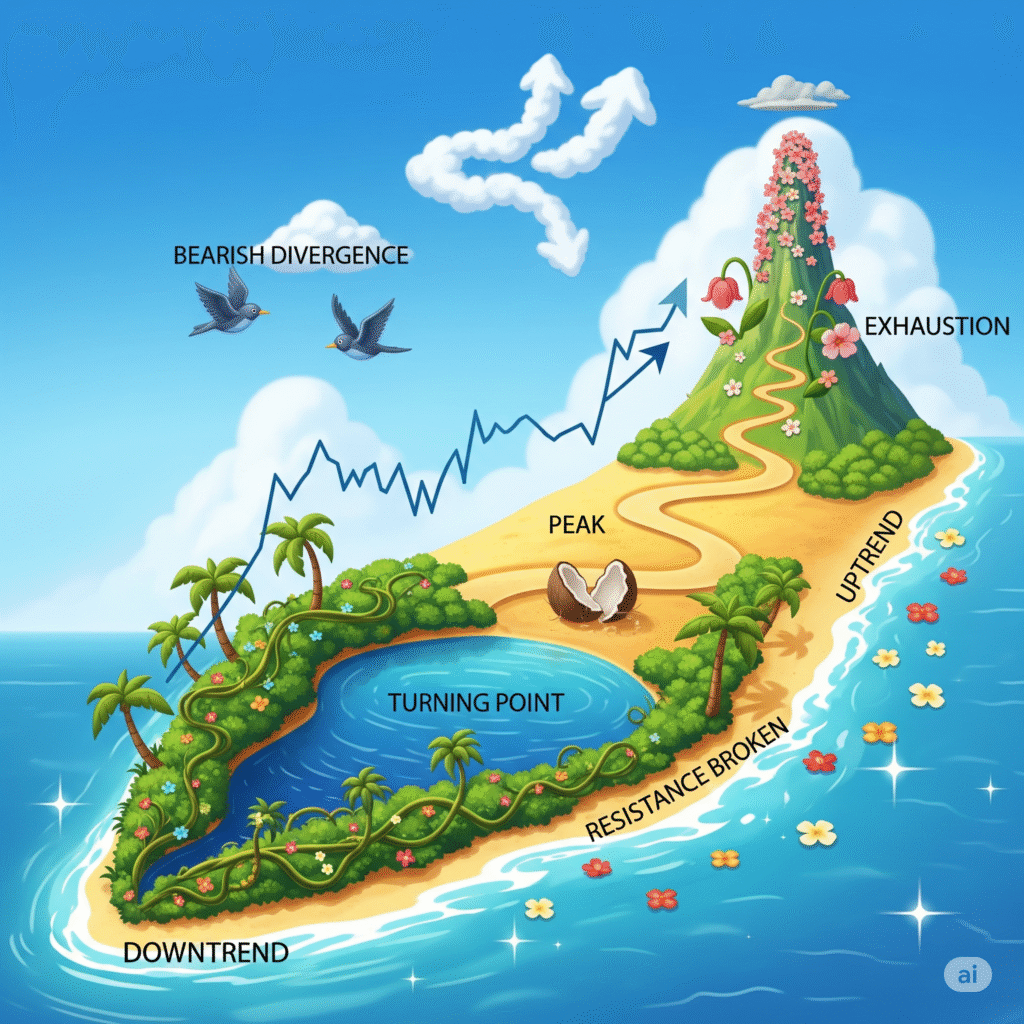
The Story of the Trend
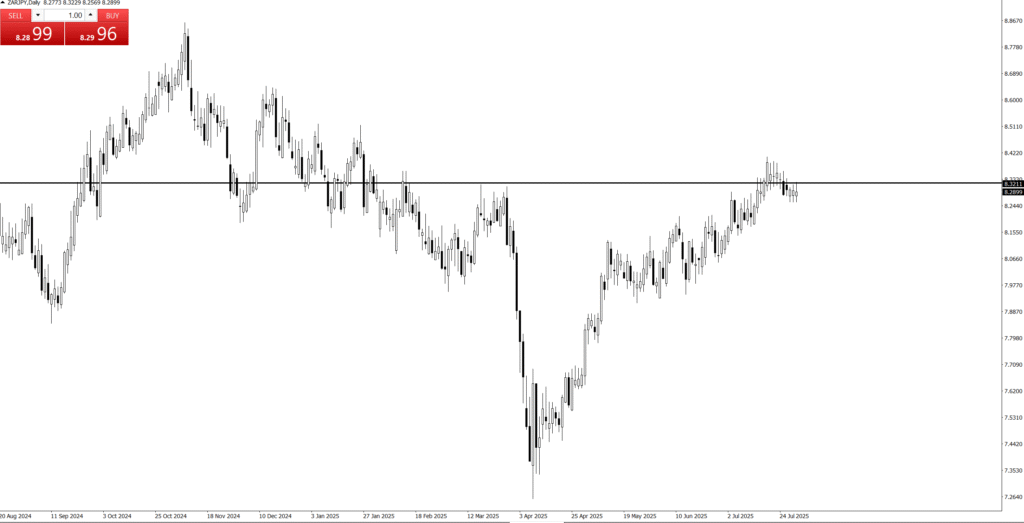
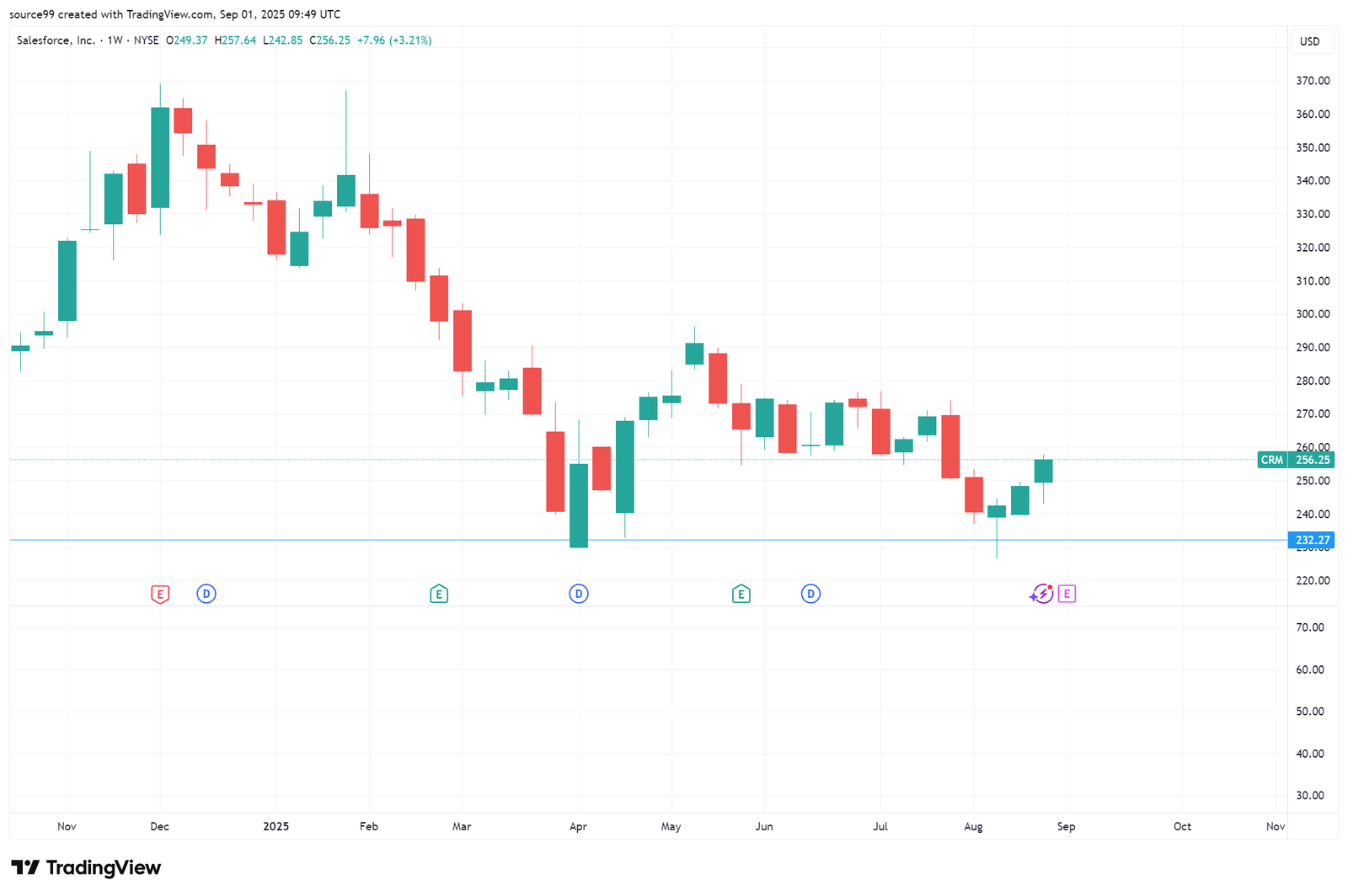
- Is the current trend bullish or bearish?
2. Is the main trend bullish or bearish on selected timeframe?
3. Where is price now? where are the keylevels?
4. Are there any Price Action?
5. Are there any failed Price Action?
6. Is there evidence that the market is getting rid of buyers or sellers?
💰“The Power of Price Action”
Quotes:
“Let Price Tell the Story.”
“Price Never Lies – Everything Else Might.”
“Trade What You See, Not What You Think.”
“Candles Speak Louder Than Indicators.”
- “The Truth is in the Candles.”
Alright, gather ’round, aspiring titans of trading, for a tale as old as the candlesticks themselves – the legend of “The Elusive Take Profit!”
Our story begins in the bustling digital arena, where keyboards clacked like a thousand tiny hooves and screens glowed with the fervent hope of green numbers. Meet Bartholomew “Barty” Bumble, a man whose enthusiasm for the market was matched only by his uncanny ability to snatch defeat from the jaws of victory. Barty had just spotted it – “The Mother of All Breakouts,” he’d declared to his slightly singed monitor. A penny stock, long dormant, was suddenly soaring like an eagle on a caffeine buzz.
“This is it!” Barty exclaimed, his eyes wide as saucers. “My ticket to early retirement and a lifetime supply of artisanal toast!”
He bought in, naturally. And the stock, bless its little silicon heart, continued its ascent. Barty watched, mesmerized, as his initial investment blossomed into a small, but noticeable, fortune. His finger hovered over the “sell” button, a bead of sweat tracing a path down his temple. This was the moment. The glorious “Take Profit.”
But then, a mischievous whisper slithered into his ear, “Just a little more, Barty. Think of the extra artisanal toast! Think of the gold-flaked artisanal toast!”
Barty, a connoisseur of fine baked goods, hesitated. “Indeed,” he mused. “Why settle for mere artisanal when I can have gold-flaked artisanal?”
He waited. The stock, as if sensing his greed, continued its upward trajectory for a few more glorious minutes. Barty’s chest swelled with pride. He was a genius! A financial oracle!
Then, as suddenly as a rogue squirrel in a quiet library, the market shifted. A tremor. A wobble. A full-blown, stomach-lurching plunge. Barty watched in horror as his burgeoning fortune evaporated faster than a politician’s promise. The gold-flaked toast now seemed a distant, cruel mirage.
“Noooooo!” he wailed, clutching his head. His “Take Profit” had become a “Took a Loss, Probably Need Therapy.”
And that, dear readers, is the timeless lesson of Barty Bumble. Setting a take-profit isn’t just a wise move; it’s a declaration of self-respect. It’s the professional acknowledgment that while greed can be a powerful motivator, it’s also a mischievous imp that delights in snatching your perfectly good, non-gold-flaked, artisanal toast right out of your hands. So, next time you’re in the trading trenches, remember Barty. Set your take profit, stick to it, and enjoy your well-deserved gains. And maybe, just maybe, you’ll still afford some very nice toast.
The Disciplined Destroyer: The Take-Profit Story
Leo “The Disciplined Destroyer” was famous on the floor not for his huge wins, but for his perfectly average, utterly consistent ones. While his neighbors tried to squeeze every last cent out of a rally, Leo believed in the Take-Profit (T.P.) order—the pre-set price at which you gracefully lock in your gains, ensuring a victory instead of a temporary high score.
He called it the “Greed Deflector Shield.” Professionally, the T.P. is placed at a logical resistance level or based on a calculated risk-to-reward ratio. Humorously, it’s placed just before the market decides to spontaneously reverse course and make you look foolish.
Leo was currently long on AeroDynamics (AERO), a stock soaring on a stellar earnings report. His initial analysis had set his T.P. at $55.50. This price represented a historical high-water mark—a level where previous rallies had run out of steam. It was a 12% profit—excellent, stable, and worth defending.
His colleague, Gary, sitting three desks over, was also long AERO, but Gary had no T.P. in sight. As AERO rocketed toward $55.00, Gary started doing the “victory waddle,” circling his desk and yelling, “It’s breaking $60! We’re going to the moon, Leo! Don’t sell! You’ll regret it!”
Leo just smiled, calmly monitoring the volume. He knew this high-flying excitement was exactly when the smart money—the institutions—started quietly selling into the retail frenzy. He watched the stock ticker hit $55.48, $55.49… and then, with a professional, satisfying ping, his T.P. order at $55.50 executed. Done. Capital secured.
AERO hit a glorious $55.75, confirming Gary’s predictions for about thirty seconds. Gary let out a triumphant roar. Then, massive sell orders flooded the market. The price stalled, dipped, and within ten minutes, it was back down to $53.00, and falling fast. Gary’s face, minutes ago flushed with excitement, now resembled a haunted potato. He was holding onto a phantom profit, watching a 12% gain shrink into a frustrating 4% gain, because he had tried to capture the impossible peak.
“You left 25 cents on the table!” Gary lamented, his head in his hands. Leo chuckled. “I locked in 12 percent. You locked in regret. The goal isn’t to be perfect, Gary. It’s to be consistently profitable.” A good T.P. means walking away happy, even if the stock twitches higher—it’s the ultimate discipline that professional excitement relies upon.
The Story of the Chart
The Story of the Chart
Lorem ipsum dolor sit amet, consectetur adipiscing elit. Ut elit tellus, luctus nec ullamcorper mattis, pulvinar dapibus leo.
The Story of the Chart
The Story of the Chart
The Story of the Chart
The Story of the Chart
The Story of the Chart
The Story of the Chart
The Story of the Trend
- Is the current trend bullish or bearish?
2. Is the main trend bullish or bearish on selected timeframe?
3. Where is price now? where are the keylevels?
4. Are there any Price Action?
5. Are there any failed Price Action?
6. Is there evidence that the market is getting rid of buyers or sellers?
💰“The Power of Price Action”
Quotes:
“Let Price Tell the Story.”
“Price Never Lies – Everything Else Might.”
“Trade What You See, Not What You Think.”
“Candles Speak Louder Than Indicators.”
- “The Truth is in the Candles.”
Alright, gather ’round, aspiring titans of trading, for a tale as old as the candlesticks themselves – the legend of “The Elusive Take Profit!”
Our story begins in the bustling digital arena, where keyboards clacked like a thousand tiny hooves and screens glowed with the fervent hope of green numbers. Meet Bartholomew “Barty” Bumble, a man whose enthusiasm for the market was matched only by his uncanny ability to snatch defeat from the jaws of victory. Barty had just spotted it – “The Mother of All Breakouts,” he’d declared to his slightly singed monitor. A penny stock, long dormant, was suddenly soaring like an eagle on a caffeine buzz.
“This is it!” Barty exclaimed, his eyes wide as saucers. “My ticket to early retirement and a lifetime supply of artisanal toast!”
He bought in, naturally. And the stock, bless its little silicon heart, continued its ascent. Barty watched, mesmerized, as his initial investment blossomed into a small, but noticeable, fortune. His finger hovered over the “sell” button, a bead of sweat tracing a path down his temple. This was the moment. The glorious “Take Profit.”
But then, a mischievous whisper slithered into his ear, “Just a little more, Barty. Think of the extra artisanal toast! Think of the gold-flaked artisanal toast!”
Barty, a connoisseur of fine baked goods, hesitated. “Indeed,” he mused. “Why settle for mere artisanal when I can have gold-flaked artisanal?”
He waited. The stock, as if sensing his greed, continued its upward trajectory for a few more glorious minutes. Barty’s chest swelled with pride. He was a genius! A financial oracle!
Then, as suddenly as a rogue squirrel in a quiet library, the market shifted. A tremor. A wobble. A full-blown, stomach-lurching plunge. Barty watched in horror as his burgeoning fortune evaporated faster than a politician’s promise. The gold-flaked toast now seemed a distant, cruel mirage.
“Noooooo!” he wailed, clutching his head. His “Take Profit” had become a “Took a Loss, Probably Need Therapy.”
And that, dear readers, is the timeless lesson of Barty Bumble. Setting a take-profit isn’t just a wise move; it’s a declaration of self-respect. It’s the professional acknowledgment that while greed can be a powerful motivator, it’s also a mischievous imp that delights in snatching your perfectly good, non-gold-flaked, artisanal toast right out of your hands. So, next time you’re in the trading trenches, remember Barty. Set your take profit, stick to it, and enjoy your well-deserved gains. And maybe, just maybe, you’ll still afford some very nice toast.
The Disciplined Destroyer: The Take-Profit Story
Leo “The Disciplined Destroyer” was famous on the floor not for his huge wins, but for his perfectly average, utterly consistent ones. While his neighbors tried to squeeze every last cent out of a rally, Leo believed in the Take-Profit (T.P.) order—the pre-set price at which you gracefully lock in your gains, ensuring a victory instead of a temporary high score.
He called it the “Greed Deflector Shield.” Professionally, the T.P. is placed at a logical resistance level or based on a calculated risk-to-reward ratio. Humorously, it’s placed just before the market decides to spontaneously reverse course and make you look foolish.
Leo was currently long on AeroDynamics (AERO), a stock soaring on a stellar earnings report. His initial analysis had set his T.P. at $55.50. This price represented a historical high-water mark—a level where previous rallies had run out of steam. It was a 12% profit—excellent, stable, and worth defending.
His colleague, Gary, sitting three desks over, was also long AERO, but Gary had no T.P. in sight. As AERO rocketed toward $55.00, Gary started doing the “victory waddle,” circling his desk and yelling, “It’s breaking $60! We’re going to the moon, Leo! Don’t sell! You’ll regret it!”
Leo just smiled, calmly monitoring the volume. He knew this high-flying excitement was exactly when the smart money—the institutions—started quietly selling into the retail frenzy. He watched the stock ticker hit $55.48, $55.49… and then, with a professional, satisfying ping, his T.P. order at $55.50 executed. Done. Capital secured.
AERO hit a glorious $55.75, confirming Gary’s predictions for about thirty seconds. Gary let out a triumphant roar. Then, massive sell orders flooded the market. The price stalled, dipped, and within ten minutes, it was back down to $53.00, and falling fast. Gary’s face, minutes ago flushed with excitement, now resembled a haunted potato. He was holding onto a phantom profit, watching a 12% gain shrink into a frustrating 4% gain, because he had tried to capture the impossible peak.
“You left 25 cents on the table!” Gary lamented, his head in his hands. Leo chuckled. “I locked in 12 percent. You locked in regret. The goal isn’t to be perfect, Gary. It’s to be consistently profitable.” A good T.P. means walking away happy, even if the stock twitches higher—it’s the ultimate discipline that professional excitement relies upon.
The Story of the Trend
- Is the current trend bullish or bearish?
2. Is the main trend bullish or bearish on selected timeframe?
3. Where is price now? where are the keylevels?
4. Are there any Price Action?
5. Are there any failed Price Action?
6. Is there evidence that the market is getting rid of buyers or sellers?
💰“The Power of Price Action”
Quotes:
“Let Price Tell the Story.”
“Price Never Lies – Everything Else Might.”
“Trade What You See, Not What You Think.”
“Candles Speak Louder Than Indicators.”
- “The Truth is in the Candles.”
Alright, gather ’round, aspiring titans of trading, for a tale as old as the candlesticks themselves – the legend of “The Elusive Take Profit!”
Our story begins in the bustling digital arena, where keyboards clacked like a thousand tiny hooves and screens glowed with the fervent hope of green numbers. Meet Bartholomew “Barty” Bumble, a man whose enthusiasm for the market was matched only by his uncanny ability to snatch defeat from the jaws of victory. Barty had just spotted it – “The Mother of All Breakouts,” he’d declared to his slightly singed monitor. A penny stock, long dormant, was suddenly soaring like an eagle on a caffeine buzz.
“This is it!” Barty exclaimed, his eyes wide as saucers. “My ticket to early retirement and a lifetime supply of artisanal toast!”
He bought in, naturally. And the stock, bless its little silicon heart, continued its ascent. Barty watched, mesmerized, as his initial investment blossomed into a small, but noticeable, fortune. His finger hovered over the “sell” button, a bead of sweat tracing a path down his temple. This was the moment. The glorious “Take Profit.”
But then, a mischievous whisper slithered into his ear, “Just a little more, Barty. Think of the extra artisanal toast! Think of the gold-flaked artisanal toast!”
Barty, a connoisseur of fine baked goods, hesitated. “Indeed,” he mused. “Why settle for mere artisanal when I can have gold-flaked artisanal?”
He waited. The stock, as if sensing his greed, continued its upward trajectory for a few more glorious minutes. Barty’s chest swelled with pride. He was a genius! A financial oracle!
Then, as suddenly as a rogue squirrel in a quiet library, the market shifted. A tremor. A wobble. A full-blown, stomach-lurching plunge. Barty watched in horror as his burgeoning fortune evaporated faster than a politician’s promise. The gold-flaked toast now seemed a distant, cruel mirage.
“Noooooo!” he wailed, clutching his head. His “Take Profit” had become a “Took a Loss, Probably Need Therapy.”
And that, dear readers, is the timeless lesson of Barty Bumble. Setting a take-profit isn’t just a wise move; it’s a declaration of self-respect. It’s the professional acknowledgment that while greed can be a powerful motivator, it’s also a mischievous imp that delights in snatching your perfectly good, non-gold-flaked, artisanal toast right out of your hands. So, next time you’re in the trading trenches, remember Barty. Set your take profit, stick to it, and enjoy your well-deserved gains. And maybe, just maybe, you’ll still afford some very nice toast.
The Disciplined Destroyer: The Take-Profit Story
Leo “The Disciplined Destroyer” was famous on the floor not for his huge wins, but for his perfectly average, utterly consistent ones. While his neighbors tried to squeeze every last cent out of a rally, Leo believed in the Take-Profit (T.P.) order—the pre-set price at which you gracefully lock in your gains, ensuring a victory instead of a temporary high score.
He called it the “Greed Deflector Shield.” Professionally, the T.P. is placed at a logical resistance level or based on a calculated risk-to-reward ratio. Humorously, it’s placed just before the market decides to spontaneously reverse course and make you look foolish.
Leo was currently long on AeroDynamics (AERO), a stock soaring on a stellar earnings report. His initial analysis had set his T.P. at $55.50. This price represented a historical high-water mark—a level where previous rallies had run out of steam. It was a 12% profit—excellent, stable, and worth defending.
His colleague, Gary, sitting three desks over, was also long AERO, but Gary had no T.P. in sight. As AERO rocketed toward $55.00, Gary started doing the “victory waddle,” circling his desk and yelling, “It’s breaking $60! We’re going to the moon, Leo! Don’t sell! You’ll regret it!”
Leo just smiled, calmly monitoring the volume. He knew this high-flying excitement was exactly when the smart money—the institutions—started quietly selling into the retail frenzy. He watched the stock ticker hit $55.48, $55.49… and then, with a professional, satisfying ping, his T.P. order at $55.50 executed. Done. Capital secured.
AERO hit a glorious $55.75, confirming Gary’s predictions for about thirty seconds. Gary let out a triumphant roar. Then, massive sell orders flooded the market. The price stalled, dipped, and within ten minutes, it was back down to $53.00, and falling fast. Gary’s face, minutes ago flushed with excitement, now resembled a haunted potato. He was holding onto a phantom profit, watching a 12% gain shrink into a frustrating 4% gain, because he had tried to capture the impossible peak.
“You left 25 cents on the table!” Gary lamented, his head in his hands. Leo chuckled. “I locked in 12 percent. You locked in regret. The goal isn’t to be perfect, Gary. It’s to be consistently profitable.” A good T.P. means walking away happy, even if the stock twitches higher—it’s the ultimate discipline that professional excitement relies upon.
The Story of the Trend
- Is the current trend bullish or bearish?
2. Is the main trend bullish or bearish on selected timeframe?
3. Where is price now? where are the keylevels?
4. Are there any Price Action?
5. Are there any failed Price Action?
6. Is there evidence that the market is getting rid of buyers or sellers?
💰“The Power of Price Action”
Quotes:
“Let Price Tell the Story.”
“Price Never Lies – Everything Else Might.”
“Trade What You See, Not What You Think.”
“Candles Speak Louder Than Indicators.”
- “The Truth is in the Candles.”
Alright, gather ’round, aspiring titans of trading, for a tale as old as the candlesticks themselves – the legend of “The Elusive Take Profit!”
Our story begins in the bustling digital arena, where keyboards clacked like a thousand tiny hooves and screens glowed with the fervent hope of green numbers. Meet Bartholomew “Barty” Bumble, a man whose enthusiasm for the market was matched only by his uncanny ability to snatch defeat from the jaws of victory. Barty had just spotted it – “The Mother of All Breakouts,” he’d declared to his slightly singed monitor. A penny stock, long dormant, was suddenly soaring like an eagle on a caffeine buzz.
“This is it!” Barty exclaimed, his eyes wide as saucers. “My ticket to early retirement and a lifetime supply of artisanal toast!”
He bought in, naturally. And the stock, bless its little silicon heart, continued its ascent. Barty watched, mesmerized, as his initial investment blossomed into a small, but noticeable, fortune. His finger hovered over the “sell” button, a bead of sweat tracing a path down his temple. This was the moment. The glorious “Take Profit.”
But then, a mischievous whisper slithered into his ear, “Just a little more, Barty. Think of the extra artisanal toast! Think of the gold-flaked artisanal toast!”
Barty, a connoisseur of fine baked goods, hesitated. “Indeed,” he mused. “Why settle for mere artisanal when I can have gold-flaked artisanal?”
He waited. The stock, as if sensing his greed, continued its upward trajectory for a few more glorious minutes. Barty’s chest swelled with pride. He was a genius! A financial oracle!
Then, as suddenly as a rogue squirrel in a quiet library, the market shifted. A tremor. A wobble. A full-blown, stomach-lurching plunge. Barty watched in horror as his burgeoning fortune evaporated faster than a politician’s promise. The gold-flaked toast now seemed a distant, cruel mirage.
“Noooooo!” he wailed, clutching his head. His “Take Profit” had become a “Took a Loss, Probably Need Therapy.”
And that, dear readers, is the timeless lesson of Barty Bumble. Setting a take-profit isn’t just a wise move; it’s a declaration of self-respect. It’s the professional acknowledgment that while greed can be a powerful motivator, it’s also a mischievous imp that delights in snatching your perfectly good, non-gold-flaked, artisanal toast right out of your hands. So, next time you’re in the trading trenches, remember Barty. Set your take profit, stick to it, and enjoy your well-deserved gains. And maybe, just maybe, you’ll still afford some very nice toast.
The Disciplined Destroyer: The Take-Profit Story
Leo “The Disciplined Destroyer” was famous on the floor not for his huge wins, but for his perfectly average, utterly consistent ones. While his neighbors tried to squeeze every last cent out of a rally, Leo believed in the Take-Profit (T.P.) order—the pre-set price at which you gracefully lock in your gains, ensuring a victory instead of a temporary high score.
He called it the “Greed Deflector Shield.” Professionally, the T.P. is placed at a logical resistance level or based on a calculated risk-to-reward ratio. Humorously, it’s placed just before the market decides to spontaneously reverse course and make you look foolish.
Leo was currently long on AeroDynamics (AERO), a stock soaring on a stellar earnings report. His initial analysis had set his T.P. at $55.50. This price represented a historical high-water mark—a level where previous rallies had run out of steam. It was a 12% profit—excellent, stable, and worth defending.
His colleague, Gary, sitting three desks over, was also long AERO, but Gary had no T.P. in sight. As AERO rocketed toward $55.00, Gary started doing the “victory waddle,” circling his desk and yelling, “It’s breaking $60! We’re going to the moon, Leo! Don’t sell! You’ll regret it!”
Leo just smiled, calmly monitoring the volume. He knew this high-flying excitement was exactly when the smart money—the institutions—started quietly selling into the retail frenzy. He watched the stock ticker hit $55.48, $55.49… and then, with a professional, satisfying ping, his T.P. order at $55.50 executed. Done. Capital secured.
AERO hit a glorious $55.75, confirming Gary’s predictions for about thirty seconds. Gary let out a triumphant roar. Then, massive sell orders flooded the market. The price stalled, dipped, and within ten minutes, it was back down to $53.00, and falling fast. Gary’s face, minutes ago flushed with excitement, now resembled a haunted potato. He was holding onto a phantom profit, watching a 12% gain shrink into a frustrating 4% gain, because he had tried to capture the impossible peak.
“You left 25 cents on the table!” Gary lamented, his head in his hands. Leo chuckled. “I locked in 12 percent. You locked in regret. The goal isn’t to be perfect, Gary. It’s to be consistently profitable.” A good T.P. means walking away happy, even if the stock twitches higher—it’s the ultimate discipline that professional excitement relies upon.